Kit Didattico – Prima di cominciare – #GenerazioniConnesse

Il Kit Didattico sviluppato da Generazioni Connesse

è uno strumento rivolto a tutte le Istituzioni scolastiche, statali e paritarie, e ha lo scopo di inquadrare il corpus di temi e contenuti che sono alla base dello sviluppo di una piena cittadinanza digitale degli e delle studenti, attraverso dei solidi percorsi educativi che intendono guidare l’insegnante nella realizzazione di un vero e proprio laboratorio di educazione civica digitale all’interno della propria classe.

Questo abaco di materiali didattici interattivi e di proposte ludico-educative si fonda sul metodo scientifico EAS – Episodi di Apprendimento Situato – che qui incontra e intreccia il DigComp 2.1, il quadro di riferimento per le competenze digitali dei cittadini e gli otto livelli di padronanza. La scelta è volta a integrare le attività proposte (le slide operative caratterizzate da azioni didattiche spendibili in aula) con la relativa “Area di competenza” e “Dimensione”, fino al livello che l’attività richiede o raggiunge.

Il Kit Didattico è organizzato in cinque aree:

  1. La prima parte è legata a una generale comprensione del cambiamento originato dalla convergenza tra tecnologie digitali e connettività. 
  2. La seconda parte, associata all’educazione ai media, è invece rivolta a chiarire le profonde implicazioni che i cambiamenti originati dalle tecnologie digitali hanno sulla nostra dimensione individuale e sociale.
  3. La terza parte affronta l’educazione all’informazione (information literacy), sia attraverso lo sviluppo delle competenze necessarie alla ricerca, raccolta, utilizzo e conservazione di informazioni, che attraverso la comprensione delle dinamiche legate al profondo cambiamento in atto nell’ecosistema della produzione e distribuzione di informazione.
  4. La quarta parte affronta invece le implicazioni della quantificazione e della computazione, dinamiche intrinsecamente legate alla diffusione delle tecnologie digitali. 
  5. La quinta parte sviluppa infine la connessione tra cittadinanza e creatività digitale.

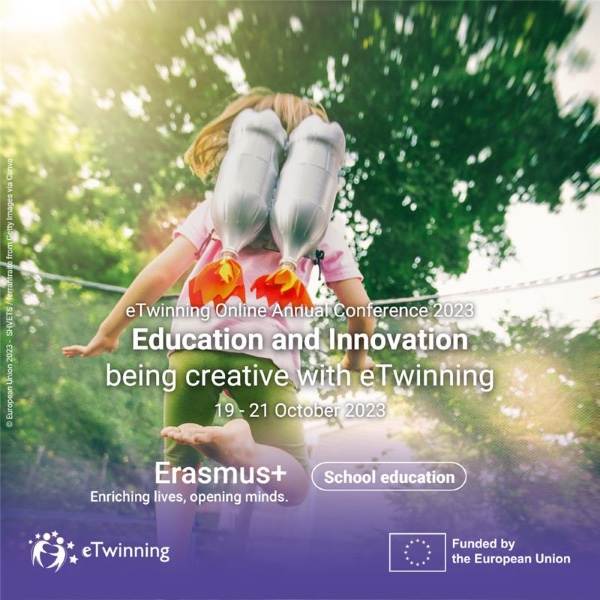
Innovation and Education – AI, Creativity and Well-being with eTwinning – eTwinning Universe | ESEP

https://bit.ly/41Vw5fY

Innovation and Education – AI, Creativity and Well-being with eTwinning
— Leggi su school-education.ec.europa.eu/en/node/706881

“Supporting Gifted and Talented Students in Your Classroom”: 18.09.2023 – 25.10.2023 ESEP asynchronous course

https://x.com/etwinningeurope/status/1696464961365561428?s=46&t=WfByW9tc2wWUwdrxXtkPXg

This course is designed to equip you with the knowledge and strategies needed to create an inclusive and supportive learning environment for all students, while focusing on the unique needs and challenges of gifted learners.

Next upcoming session:

18.09.2023 – 25.10.2023

Learning objectives

    In this course, you will:

  • Understand and redefine the concept of giftedness beyond traditional IQ testing, considering domain-specific talent identification and the challenges faced by gifted learners, through in-depth exploration of research, case studies, and interactive discussions.
  • Explore ways of addressing the social and emotional needs of gifted students by exchanging ideas on how to create a supportive classroom environment, addressing motivation, perfectionism, underachievement, and anxiety, and implement counseling and peer support programs, through a combination of theoretical knowledge, practical strategies, and real-life scenarios.
  • Investigate how to foster talent development by implementing strategies to enhance creativity, innovation, and critical thinking skills, nurturing talents in specific domains, promoting a growth mindset and resilience, and effectively differentiating instruction for gifted learners, through a variety of interactive activities, practical exercises, and examples that demonstrate the application of these strategies in the classroom.

Methodology & assessment

The course is offered as an asynchronous course with flexibility in regard to when and where participants follow the course content and join the course activities.

Modules open each week and remain open for the duration of the course, with a final deadline in place for the submission of a course product.

Participants are required to actively contribute to the course activities by sharing their work and submitting a course product.

This product is submitted, and peer assessed by three peers in the final module of the course.

Certification details

Upon successful completion of the course, a digital course certificate is awarded. The certificate shows the name of the learner and key course details such as the estimated learning hours, the learning objectives, and a link to the course homepage.

  • Language:English
  • Target audience: ISCED: Primary education (ISCED 1) Lower secondary education (ISCED 2) Upper secondary education (ISCED 3)
  • Target audience type: Head Teacher / Principal, Student Teacher, Teacher
  • Learning time:15-20 hours

Learning for Justice / Classroom Resources

https://www.learningforjustice.org/classroom-resources/lessons

https://www.learningforjustice.org/

From film kits and lesson plans to the building blocks of a customized Learning Plan—texts, student tasks and teaching strategies—our resources will help you bring relevance, rigor and social emotional learning into your classroom—all for FREE.

Not sure where to begin? Get to know our Social Justice Standards, anchor standards and age-appropriate learning outcomes divided into four domains—Identity, Diversity, Justice and Action. The Standards provide a common language and a road map for anti-bias education at every grade level.

Lessons

These robust, ready-to-use classroom lessons offer breadth and depth, spanning essential social justice topics and reinforcing critical social emotional learning skills.

Search Lessons

Student Texts

This multi-genre, multi-media library of short texts aligns with the Common Core’s recommendations for text complexity and the Learning for Justice Social Justice Standards. Choose from informational and literary nonfiction texts, literature, photographs, political cartoons, interviews, infographics and more.

Search Texts

Student Tasks

Assess student learning with performance tasks and rubrics that measure writing, civic engagement and critical literacy skills.

Browse Tasks

Teaching Strategies

Build literacy and social emotional skills while exploring meaningful texts. Select and combine vocabulary, reading, and speaking and listening activities that support your instructional goals.

Browse Strategies

Learning Plan Builder

Personalize your instruction with a customized learning plan based on the Learning for Justice Social Justice Standards.

Build Learning Plan

Film Kits

Bring social justice topics to life with our classroom-friendly films and user guides. Learning for Justice film kits are FREE to employees of K–12 schools, schools of education, houses of worship and youth-serving nonprofit organizations.

Browse Film Kits

Mix It Up!

Mix It Up at Lunch Day is an international campaign that encourages students to identify, question and cross social boundaries. Schools can host a Mix It Up event on any day of the year!

Learn More

Posters

The One World posters featured in our magazine are a reader favorite, which is why we’re making them available for download!

Browse Posters

Infoday su Partenariati su piccola scala nel settore Istruzione scolastica

07.09.2023 dalle 14.30 alle 17.00 evento online

https://www.erasmusplus.it/eventi/programma/infoday-partenariati-piccola-scala-scuola/

L’Agenzia Erasmus+ Indire organizza un webinar dedicato Partenariati su piccola scala nel settore Istruzione scolastica (Azione KA210), in vista della prossima scadenza, il 4 ottobre.


L’appuntamento con lo staff dell’Agenzia è online Giovedì 7 settembre, dalle 14.30 alle 17.00

Partenariati su piccola scala sono progetti di cooperazione tra scuole e organizzazioni di Paesi partecipanti al Programma, attive nel settore dell’istruzione scolastica, nuove a Erasmus+ o con poca esperienza e capacità organizzative: sono progetti di durata più breve e requisiti amministrativi più semplici se comparate ai Partenariati di cooperazione e importi di sovvenzione ridotti e su base forfettaria, in modo da facilitare la gestione del progetto e ridurre le barriere di accesso al Programma. 

In vista della scadenza del 4 ottobre 2023, lo staff dell’Agenzia nazionale Erasmus+ Indire presenterà in dettaglio 

  • l’Azione Partenariati su piccola scala
  • le procedure da seguire per presentare la candidatura per un progetto di qualità

Come partecipare

Per partecipare è necessario registrarsi online e ottenere così il link all’aula virtuale del seminario.
 REGISTRATI AL WEBINAR

I materiali e la registrazione dell’infoday saranno resi disponibili alla pagina Strumenti e Risorse

 Contattisegreteriaeventi@indire.it


Per approfondire

Per orientarsi e per iniziare a pensare a un progetto, vi invitiamo a consultare il sito alla sezione dedicata:
Partenariati su piccola scala
La sezione Storie e buone pratiche può essere di ispirazione