Explore how thinking about thinking helps learners to understand and manage their own learning processes.
Imagine this: A pupil excels in a test – not because they memorised the content, but because they figured out the best way to learn it. Another pupil struggles – not due to a lack of ability, but because they’ve never been taught how to reflect on their own thinking.
In a world overflowing with information, metacognition (the skill of thinking about thinking) isn’t just important, it’s essential. But here’s the real question: Are we, as teachers, truly prepared to teach it?
In this episode, host Benjamin Hertz is joined by three guest speakers from Belgium: University professor Jeltsen Peeters, school principal Christine Claessens and primary school teacher Steven Verelst. Together, they explore strategies for promoting metacognition skills in the classroom, highlighting how teachers can encourage pupils to plan, monitor and reflect on their learning processes.
Tune in to discover practical strategies, actionable ideas and examples to help you embed metacognitive practices in your classroom.
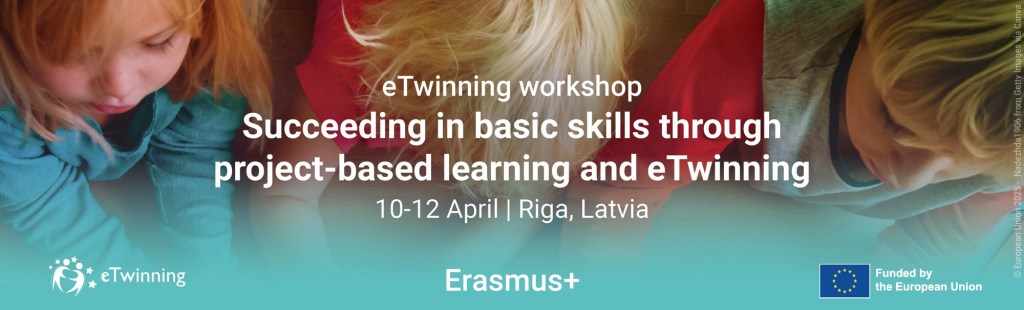
In today’s fast-evolving educational landscape, equipping students with strong basic skills—such as literacy, numeracy, digital competence, and critical thinking—is essential for their academic and personal growth (European Skills Agenda, 2016). Project-based learning (PBL) is an innovative approach that empowers students to acquire these skills by actively engaging in real-world challenges and collaborative projects.
The eTwinning initiative enhances this methodology by fostering cross-border partnerships, enabling students to collaborate with peers across Europe while building key competencies for the 21st century.
This onsite workshop is designed to support early childhood and primary education teachers integrate PBL and eTwinning into their teaching practices. It will provide participants with the knowledge, tools, and strategies to design engaging projects that develop students’ foundational skills and promote cultural exchange.
Some background
Basic skills are the building blocks of lifelong learning and active citizenship, forming the foundation for advanced learning and employment (European Commission, 2024). According to the European Commission, fostering basic skills requires innovative pedagogical approaches that connect classroom learning with real-life applications, ensuring a high-quality education, targeted towards success. Ensuring the provision of high-quality early childhood education and care is, therefore, also an efficient and effective investment in education and training (European Commission, 2024). Project-based learning (PBL) has emerged as a proven method for achieving this, as it engages students in active problem-solving, teamwork, and hands-on activities.
eTwinning, as part of the Erasmus+ programme, provides a dynamic place for teachers and students to collaborate on projects across Europe. By integrating eTwinning with project-based learning, teachers can enhance their students’ basic skills while promoting digital literacy, creativity, and cultural understanding. Students work collaboratively with one another to share ideas, build understanding and complete projects. Teachers discuss, share best practices and look for inspiration from other teachers. Students and teachers work with external stakeholders to make learning relevant and authentic. Learning comes alive. These combinations not only align with European educational goals but also empower students to thrive in an interconnected world.
Purpose of the Workshop
Recognising the vital role that schools play in equipping young minds with essential skills and fostering a positive culture towards learning, this workshop is designed to provide early childhood and primary education teachers with the knowledge, strategies, and resources needed to effectively introduce and implement project-based learning in their classrooms. By empowering teachers to promote collaboration, critical thinking, and creativity, we aim to cultivate a generation of curious, skilled, and engaged learners who are prepared to thrive in an ever-evolving world.
Objectives of the Workshop
Understand the principles and benefits of project-based learning for developing basic skills.
Learn practical strategies for integrating project-based learning and eTwinning into classroom practice.
Design innovative eTwinning projects focused on improving literacy, numeracy, and digital competence.
Build a network of educators committed to using project-based learning and eTwinning to foster key skills in students.
Join us on 10 April at 14:00 EEST and click here to watch the live sessions of this eTwinning workshop.
eTwinning is an initiative of the European Union and funded by Erasmus+, the EU’s programme to support education, training, youth and sport in Europe. This event and related materials have been prepared for the European Commission by European Schoolnet under a contract with the Union, however it reflects the views only of the authors, and the Commission cannot be held responsible for any use which may be made of the information contained therein.
Durante il seminario EPALE “La giustizia riparativa fra un diritto che cambia e un territorio che costruisce“, che ha avuto luogo a Cagliari il 27 marzo,è stato approfondito il ruolo delle città riparative grazie alla presenza della prof.ssa Patrizia Patrizi dell’Università di Sassari e di Cristina Vasilescu, Ambasciatrice Erasmus+ EDA, ricercatrice e precedente coordinatrice del Gruppo delle Città Riparative del Forum Europeo per la Giustizia Riparativa che ha tra gli obiettivi quello di riunire le varie esperienze europee sul tema della città riparative.
Al seminario erano presenti tre città riparative d’Italia: Tempio Pausania, Como e Lecco. La tavola rotonda, coordinata dalla dott.ssa Vasilescu, é stata l’occasione per discutere insieme su come si costruisca una città riparativa o meglio su come si possano intercettare, prevenire e gestire in maniera riparativa i conflitti nella comunità per rigenerare le relazioni e promuovere il benessere personale e collettivo.
Ma che cos’è una città riparativa? Come si costruisce?
Riproponiamo l’intervista che il CSV Isubria Como ha fatto a Cristina Vasilescu durante l’XI Conferenza internazionale dell’European Forum for Restorative Justice svoltasi a Sassari nel 2022, alla quale è seguita la conferenza di Tallin nel 2024. L’intervista che segue è tratta dal sito cvslombardia.it.
Come costruire “città riparative”
Le città riparative nel working group internazionale
Il working group delle città riparative è composto dai rappresentanti di varie città europee. In Italia Tempio Pausiana è stata la prima a dare vita a varie iniziative di comunità, per esempio con l’inclusione del carcere di massima sicurezza che aveva generato conflitto nella comunità stessa; da questo intervento ne sono germinati altri nella scuola pubblica e per iniziativa del Comune. A Tempio Pausania è stato poi creato un Ufficio di mediazione. Progetti di giustizia riparativa si sono poi diffusi a Lecco, dal 2012, poi a Como a partire da alcuni ambiti e territori specifici, per esempio con il Progetto Contatto e i corpi intermedi a Fino Mornasco e nel quartiere di Rebbio. Le altre città “riparative” sono Leuven in Belgio – in cui si è formalmente costituito un network di soggetti che opera per la diffusione dell’approccio riparativo con finanziamenti erogati dal Comune – Wroclaw, Polonia, dove si è attuato un processo “top down” con iniziative organizzate dalla società civile, per poi avviare un Centro per la giustizia riparativa comunale. Restorative City, e quindi parte del gruppo, è anche Tirana, in Albania, che ha ospitato un precedente Forum Europeo. Infine, Bristol, in Inghilterra, Restorative City che ha a lungo lavorato sul tema in diversi tipi di interventi di mediazione dei conflitti a livello di comunità-quartieri e dove è nato un gruppo specifico, il “Youth Offending Team”, dedicato ai minori dai 10 ai 17 anni. A Bristol è nato anche un servizio che implementa progetti di giustizia riparativa e servizi specifici su discriminazione di genere, disabilità e odio razziale. C’è poi un servizio di mediazione sul luogo di lavoro e nelle organizzazioni chiamato “Resolution at work” e, infine, un intervento specifico che mira ad avvicinare ebrei e musulmani attraverso l’arte, il teatro, workshop e interventi nelle scuole. La referente di Bristol ha proprio riportato esperienze di scuole riparative a tutti gli effetti.
Che cosa fa il Tavolo delle città riparative
L’obiettivo è riunire le varie esperienze europee sul tema della città riparative per cambiare degli apprendimenti – spiega Cristina Vasilescu – Perché c’è bisogno di una città riparativa e come si costruisce una città riparativa sono state le domande guida. In Europa esistono altre tipologie di città che, se non proprio sovrapponibili, hanno molti punti di contatto con le restorative cities. In Olanda, per esempio, esistono le “Città pacifiche” il cui obiettivo è costruire relazione armoniose tra gli abitanti. Di recente è nato un movimento europeo, “Le città per i diritti umani”, a cui hanno aderito una ventina di città. Si tratta di premesse che sono molto simili a quelle di una restorative city. Uno dei temi emersi è stato se sia necessario definire cosa è città riparativa o se è meglio lasciare la definizione aperta per includere varie prospettive… Il punto di mediazione che abbiamo trovato dopo il confronto è che ciascuna città deve darsi la propria definizione e lo deve fare insieme agli abitanti, non sono il Comune o un soggetto terzo che definiscono in astratto cosa è città riparativa ma i cittadini stessi, secondo i propri bisogni e le specifiche finalità che si vogliono perseguire. Portare l’approccio riparativo ai diversi ambiti, alle diverse anime della città, come avviene per esempio con i Corpi intermedi di Rebbio, è per esempio una finalità; costruire relazioni positive e dare ai propri abitanti le competenze per gestire i conflitti in modo positivo e costruttivo è la risposta a un altro tipo di bisogno. Tutto questo, partendo dai valori cardine della giustizia riparativa e lasciando lo spazio di definizione a livello delle singole città».
Capire il contesto
Bisogna partire dunque dalle esigenze specifiche dalle comunità. Capire il contesto è il punto di partenza, è fondamentale. A Rebbio, per esempio, i conflitti si ripetevano nonostante le persone e le generazioni cambiassero, la domanda allora è stata: come far sì che alcuni conflitti che si ripetono da anni non si ripetano più? Occorreva trovare modalità di gestione più efficaci. Altra premessa è capire qual è il capitale sociale su cui far leva: non è un soggetto che costruisce la città riparativa ma tutte le città riparative hanno alla base network, reti sociali riconosciute che in Italia chiamiamo “Tavoli”. A Bristol c’è una rete formale, così come a Leuven dove ha uno statuto giuridico. Occorre avere soggetti riconosciuti con cui lavorare. Se la società civile è sviluppata è più facile, altrimenti il tempo di creazione sarà molto più ampio. L’altro fattore importante è se il processo di costruzione della città riparativa si avvia nel momento di conflitto intenso oppure se ci sono conflitti latenti che non si vedono. Chi e come coinvolgo? Ho bisogno di un soggetto esterno? Per agire devo capire che tipo di conflitti ci sono, quanto è interesse dei soggetti lavorare su quei conflitti. Ugualmente importante è capire quali sono le visioni di giustizia degli abitanti e come si approcciano al tema.Un altro aspetto da tener presente è che sia che il processo si sviluppi dal basso sia che invece provenga dall’alto, alto e basso devono a un certo punto trovare un ponte e stare insieme, diversamente è più difficile influenzare le politiche della città. Se parto dall’alto il rischio è che dove ci sono conflitti che coinvolgono l’ente pubblico io non riesco ad avviare il processo perché la gente non si fida. La fiducia è fondamentale e va costruita. Efficace è agire con chi ha autorevolezza ed è riconosciuto dalla comunità, se il promotore è ancorato nella comunità i cittadini si fidano, riconoscono la sua competenza e il valore degli interventi precedenti.
C’è bisogno di risorse
Non c’è un momento in cui si può dire ok, ora siamo città riparativa, – conclude Cristina Vasilescu – le persone cambiano è un processo dinamico, la città non è un corpo astratto stabile si modifica continuamente è un processo di evoluzione continua. E per operare efficacemente c’è bisogno di risorse, questa è la nota dolente in tutte le città non solo in Italia, è un tema che ritorna in tutti i racconti anche oltre l’Europa. Se voglio città riparative devo investire continuamente e tenere il faro sulle pratiche e sull’aspetto generale culturale.
Cristina Vasilescu. È esperta in: analisi e valutazione di politiche pubbliche, con particolare riferimento alle politiche europee; governance; innovazione della pubblica amministrazione europea, nazionale, regionale e locale, con particolare riferimento ai sistemi di management e valutazione delle performance, ai sistemi di accountability e all’implementazione di processi partecipativi; ricerca finanziamenti locali, regionali, nazionali ed europei; redazione e gestione progetti in risposta a bandi europei (ad esempio, H2020, bandi della DG REGIO/DG EMPL/DG JUST/DG ECFIN, del Parlamento Europeo, di EIGE/FRA, etc) ed italiani; costruzione di partnership internazionali e gestione delle relazioni con i committenti.
In today’s rapidly evolving educational landscape, students need strong literacy skills to tackle future challenges. Literacy goes beyond reading and writing— it encompasses the ability to critically engage with diverse texts, communicate effectively across different modes, and navigate an increasingly digital world.
This course provides educators with practical strategies to integrate reading, writing, speaking, and digital literacy into eTwinning projects.
You will examine the concept of literacy from multiple perspectives and explore how eTwinning projects can be a powerful tool to develop students’ literacy skills.
Additionally, you will gain strategies for integrating digital tools to support literacy development, while engaging in project-based learning that enhances student engagement, collaboration, and critical thinking.
Through hands-on activities, real eTwinning examples, and interactive tools, you will learn how to create collaborative international projects on literacy that foster meaningful learning experiences.
Learning objectives
In this course, you will:
Understand the role of eTwinning in developing literacy skills and practices by analysing real-life eTwinning literacy projects and their impact on students.
Reflect on the evolving concept of literacy in today’s world by analysing different literacy dimensions, discussing their impact on education, and examining real-life classroom examples through case studies and interactive discussions.
Learn practical strategies for fostering literacy through collaborative eTwinning activities by integrating discussion techniques and collaborative tasks.
Design an engaging and collaborative eTwinning literacy project inspired by the course content, integrating digital tools to enhance literacy instruction.
Methodology & assessment
The course is offered as an asynchronous course with flexibility in regard to when and where participants follow the course content and join the course activities. However, there is a final deadline in place for the submission of a course product.
Participants are required to actively contribute to the course activities by sharing their work and submitting a course product. This product is submitted and assessed by peers or the course instructor in the final module of the course.
Certification details
Upon successful completion of the course, a digital course certificate is awarded. The certificate shows the name of the learner and key course details such as the estimated learning hours, the learning objectives, and a link to the course homepage.
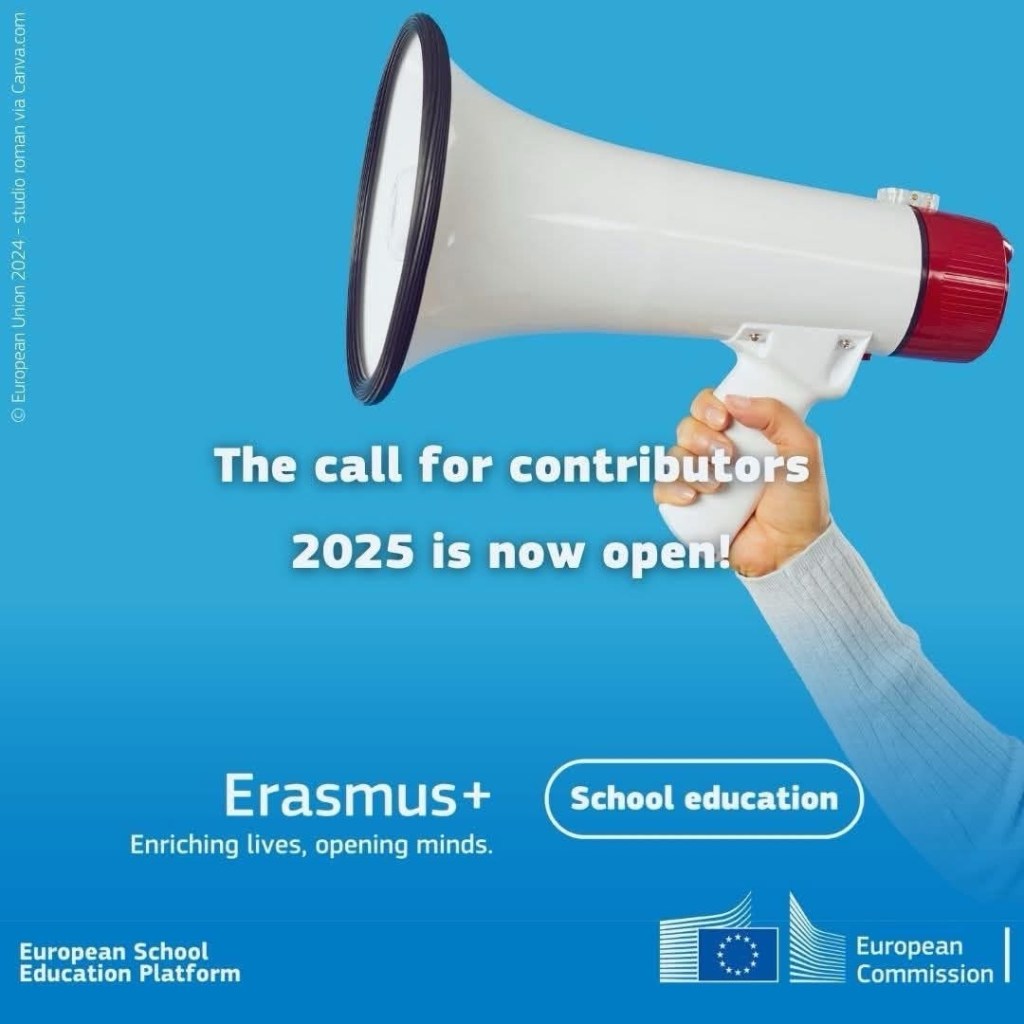
📣 La Piattaforma Europea per l’Istruzione Scolastica (ESEP) è alla ricerca di esperti per contribuire ai suoi contenuti editoriali e alla formazione degli insegnanti.
🫵 Puoi partecipare in diversi modi:
✒️ Progettare un corso online 🌐 Gestire una comunità di apprendimento 👩🏫 Tenere un workshop 🎥 Registrare una video-presentazione o partecipare a un’intervista 📝 Scrivere un breve articolo in stile blog 🔴 Condividere la tua esperienza su un tema specifico con una presentazione in diretta







 Italianistica, Didattica Innovativa, Internazionalizzazione