
Are you ready for a fun challenge? 🤝
— Erasmus+ (@EUErasmusPlus) October 20, 2022
Using a GIF, how would you describe your #ErasmusPlus experience? 🖼️
Reply to this tweet and select the GIF that best expresses your own adventure and feel free to like the best ones⬇️#ErasmusPlus35Years pic.twitter.com/3lMzuIKIBh
“Erasmus in Musica” #ErasmusDays al Liceo “Veronica Gambara” di Brescia, scuola coordinatrice di consorzio Erasmus + 2021-2027
ERASMUS IN MUSICA

14 Ottobre 2022, dalle ore 15:00
L’evento in YouTube (registrato) si svilupperà nell’esecuzione di un brano musicale, l’ERASMUS LIED, composto da un nostro studente del Liceo Musicale, a conclusione di progetto tra Germania, Lituania, Polonia e Italia sul tema della “Willkommenskultur”, la cultura dell’accoglienza.
Seguiranno testimonianze, in lingua tedesca, di mobilità, a lungo e breve termine, realizzate nel 2022 in Germania (Monaco e Stoccarda) da due allieve del Liceo Linguistico e da due allieve del Liceo Musicale (progetto CLIL di Musicoterapia).
In apertura dell’evento il videomessaggio registrato di Sara Pagliai, Coordinatrice dell’Agenzia Erasmus + Indire
Guidelines for teachers and educators: “Tackling disinformation and promoting digital literacy”. @EuropeanCommmission
Published: 11 Oct 2022
Today, the Commission published a set of guidelines for teachers and educators on tackling disinformation and promoting digital literacy through education and training.
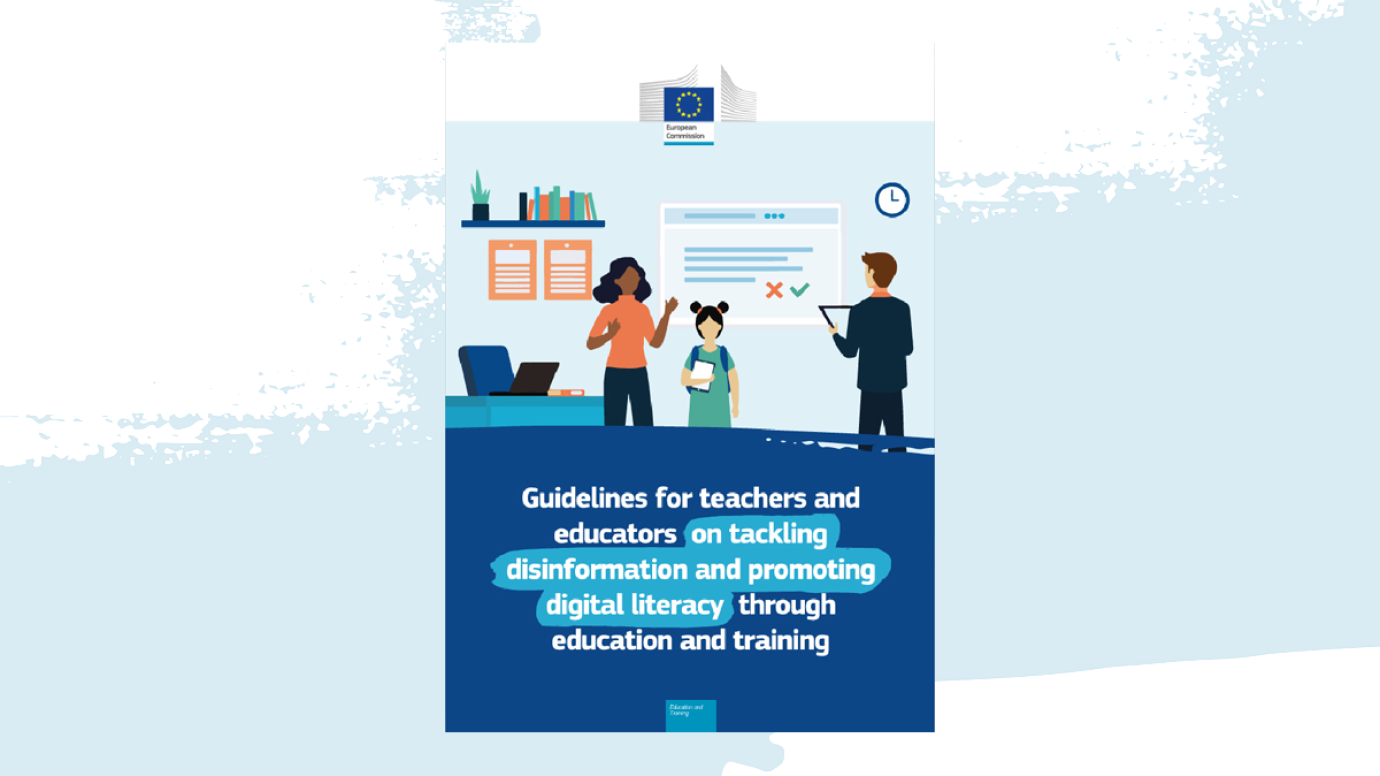
The guidelines provide hands-on guidance for teachers and educators, including practical tips and activity plans. They are designed for primary and secondary teachers with or without specialist knowledge of digital education.
The guidelines aim to foster an understanding of how to enhance digital literacy and provide practical knowledge about disinformation. They provide advice on how to use digital technologies responsibly and how to assess student competences concerning digital literacy.
The guidelines address questions, including
- How can we encourage young people to fact-check information and think critically?
- How can learners understand the various dimensions of disinformation, such as ethical or economic?
- How can we identify deep fakes?
Read the Guidelines on tackling disinformation and promoting digital literacy
Background
There is a clear need to strengthen the role of education and training in tackling disinformation and promoting digital literacy. The sooner we help young people acquire the digital skills and competences to be critical and confident users, the better.
Rapid advancement in digital technologies, as well as increased internet use, have fuelled the debate on the importance of preparing students to access, use, understand and critically assess all forms of media.
According to the Organisation for Economic Co-operation and Development (OECD), little over half of 15-year-olds in the European Union (EU) reported being taught how to detect whether information is subjective or biased.
Meanwhile, Eurobarometer data illustrates that 80% of Europeans think that the existence of fake news is a problem in their country. One third of eighth graders lack basic digital skills. (International Computer and Information Literacy Study – ICILS).
The Guidelines are a deliverable of the Digital Education Action Plan. They were developed with the support of a dedicated Commission Expert Group.
They are accompanied by a final reportwhich brings together the Expert Group’s main findings and recommendations.
Discover the factsheet and infographic on the guidelines for teachers and educators on tackling disinformation and promoting digital literacy through education and training.
Policy initiatives
Digital Education Action PlanCommission expert group on tackling disinformation and promoting digital literacy through education and training
Published: 11 Oct 2022
Want to give your feedback about this page?
European Commission website
More information on:
- Strategy
- About the European Commission
- Business, Economy, Euro
- Live, work, travel in the EU
- Law
- Funding, Tenders
- Research and innovation
- Energy, Climate change, Environment
- Education
- Aid, Development cooperation, Fundamental rights
- Food, Farming, Fisheries
- EU regional and urban development
- Jobs at the European Commission
- Statistics
- News
- Events
- Publications
#ErasmusDays: 13, 14 e 15 ottobre 2022
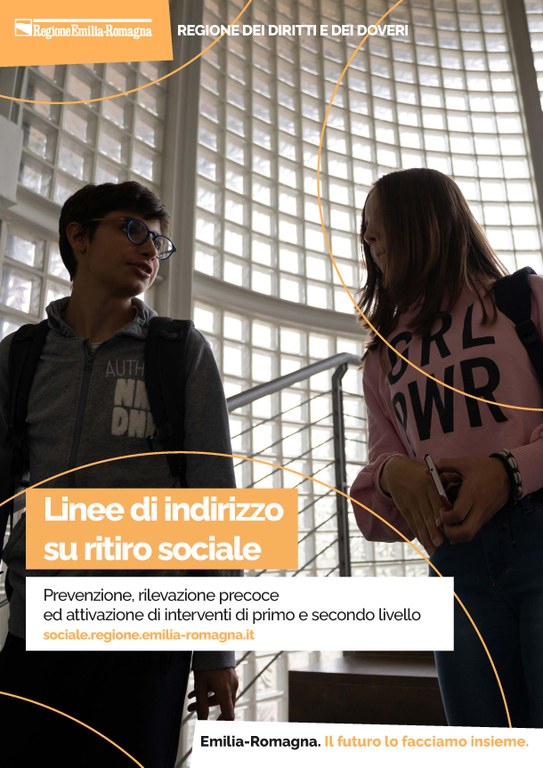
Linee di indirizzo su ritiro sociale. Prevenzione, rilevazione precoce ed attivazione di interventi di primo e secondo livello
Descrizione/Abstract:
Il ritiro sociale è un quadro in aumento con un esordio sempre più precoce che comporta una interruzione del percorso evolutivo e un importante rischio per lo sviluppo di bambini, bambine, ragazzi e ragazze.
Nell’Introduzione del documento sono riportati una analisi del contesto ed una definizione del fenomeno, una descrizione dell’insorgenza e delle prime manifestazioni ed un riferimento all’uso di internet e videogiochi.
Sono riportate considerazioni sui dati (l’aspetto epidemiologico ad oggi è carente in mancanza di una codificazione condivisa) e i principali riferimenti normativi sia dell’ambito della scuola, sia di quelli sociale e sanitario.
Le linee d’indirizzo si focalizzano poi sulle azioni da mettere in atto in materia di:
- prevenzione
- rilevazione precoce
- attivazione tempestiva di azioni di primo e secondo livello
Le Linee di indirizzo regionali sono state presentate lunedì 27 giugno 2022, con il seminario Vicini ma lontani. Approcci per prevenire ed intercettare il ritiro sociale di ragazze e ragazzi, di cui sono disponibili i materiali.
Data di pubblicazione:29/06/2022
Scarica la pubblicazione: download (PDF, 1.56 MB)
 Italianistica, Didattica Innovativa, Internazionalizzazione