Based on the latest PISA data, this webinar will explore how student wellbeing influences learning outcomes, and how schools can integrate wellbeing strategies to enhance academic achievement.
Wellbeing without overload: Integrating self-care in teaching practices
26.06.2024 04:00 PM
In recent years, there has been a concerning increase in reported levels of stress and burnout among teachers across Europe. This trend not only underscores the critical need to focus on teachers’ social and emotional competencies and diversity awareness but also points to a broader issue affecting the attractiveness of the teaching profession.
In addition, in the context of pandemic, teachers reported increased levels of burnout, work exhaustion, cynicism, feelings of fear and loneliness from confinement, frustration due to distance learning, anxiety, and depression, as well as lower engagement. These elements can fuel the ongoing teacher shortage crisis.
The key questions addressed during this webinar will be:
• How can schools reduce stress and enhance teacher well-being?
• What practical strategies can be implemented to integrate well-being into the daily routines of teachers without adding to their workload?
• How do successful school programs incorporate well-being practices into their curricula?
• What are the benefits of prioritising teacher well-being for the overall educational experience of students?
INDIRE e MIM– Direzione Generale degli Ordinamenti organizzano dal 10 al 12 giugno la quinta edizione della Summer School di filosofia, che si svolgerà online sulla piattaforma INDIRE, nell’ambito del progetto PATHS a Philosophical Approach to THinking Skills.
L’edizione di quest’anno, Filosofia e Intelligenza Artificiale: pensare criticamente e agire consapevolmente,intende promuovere il contributo dato dalla filosofia e dal pensiero critico al dibattito sul ruolo e sull’uso dell’Intelligenza Artificiale nell’istruzione e negli ambienti di apprendimento.
La PATHS Summer School è rivolta ai docenti del primo e del secondo ciclo scolastico, dei CPIA e degli ITS; agli operatori di ambito educativo, sociale e culturale; ai laureati in discipline umanistiche, sociali, scientifiche, tecnologiche.
La PATHS Summer School prevede tre giorni di esperienze immersive tra webinar e workshop durante i quali i docenti potranno confrontarsi su una rinnovata didattica della filosofia e sperimentare nuovi approcci metodologici al pensiero critico. L’intento è condividere materiali e pratiche di insegnamento e apprendimento della filosofia anche quando la disciplina non è prevista dall’assetto ordinamentale, come nel primo ciclo di istruzione, nell’istruzione liceale (biennio), tecnica, professionale, negli Istituti Tecnici Superiori.
Alla scuola estiva, interamente gratuita, parteciperanno, tra gli altri, Adriano Fabris (Università di Pisa), Loredana Perla (Università di Bari), Ruggero Eugeni (Università Cattolica del sacro Cuore), Marco Fasoli(Sapienza Università di Roma), il regista Giuseppe Piccioni, oltre al comitato scientifico composto da Carla Guetti (Ministero dell’Istruzione e del Merito) e da Samuele Calzone e Matteo Borri(INDIRE).
Sono 1540 scuole coinvolte nel progetto PATHS, più di 2230 i docenti formati (il 50% dei quali insegnano filosofia), oltre 5.470 materiali scaricati gratuitamente dalle scuole e circa 170 le Unità didattiche sperimentate, prodotte e documentate nella piattaforma PATHS.
This course will explore teaching methods and tools for addressing the topics of climate change and sustainability and integrating them into your teaching curriculum
“We are in a climate emergency. As President of the European Council, I have a clear goal: to make Europe the first climate-neutral continent on the planet by 2050” (Charles Michel, European Council President). How can education contribute to achieving this goal? If you recognize its crucial role, seize the opportunity to enrol in this course and contribute to our shared sustainability endeavours.
Description
How can education contribute to achieving this goal? If you recognize its crucial role, seize the opportunity to enrol in this course and actively contribute to our shared sustainability endeavours through your own context. As a teacher, you will learn innovative pedagogical approaches and instructional strategies to translate complex scientific concepts into engaging and accessible lessons for your students. Drawing from good practices in environmental education, you will discover how to adapt curriculum materials, design hands-on activities, and facilitate meaningful discussions that foster climate literacy and environmental stewardship among your students.
Learning objectives
Understand the basics of climate change including its causes, impacts and potential solutions, through case studies and examples, to effectively integrate these critical topics into your teaching curriculum.
Explore teaching methods and tools for addressing the topic of climate change and sustainability.
Design a learning activity that incorporates key concepts from the online course on climate change and sustainability.
Methodology & assessment
The course is offered as an asynchronous course with flexibility in regard to when and where participants follow the course content and join the course activities. However, there is a final deadline in place for the submission of a course product. Participants are required to actively contribute to the course activities by sharing their work and submitting a course product. This product is submitted and assessed by peers or the course instructor in the final module of the course.
Certification details
Upon successful completion of the course, a digital course certificate is awarded. The certificate shows the name of the learner and key course details such as the estimated learning hours, the learning objectives, and a link to the course homepage.
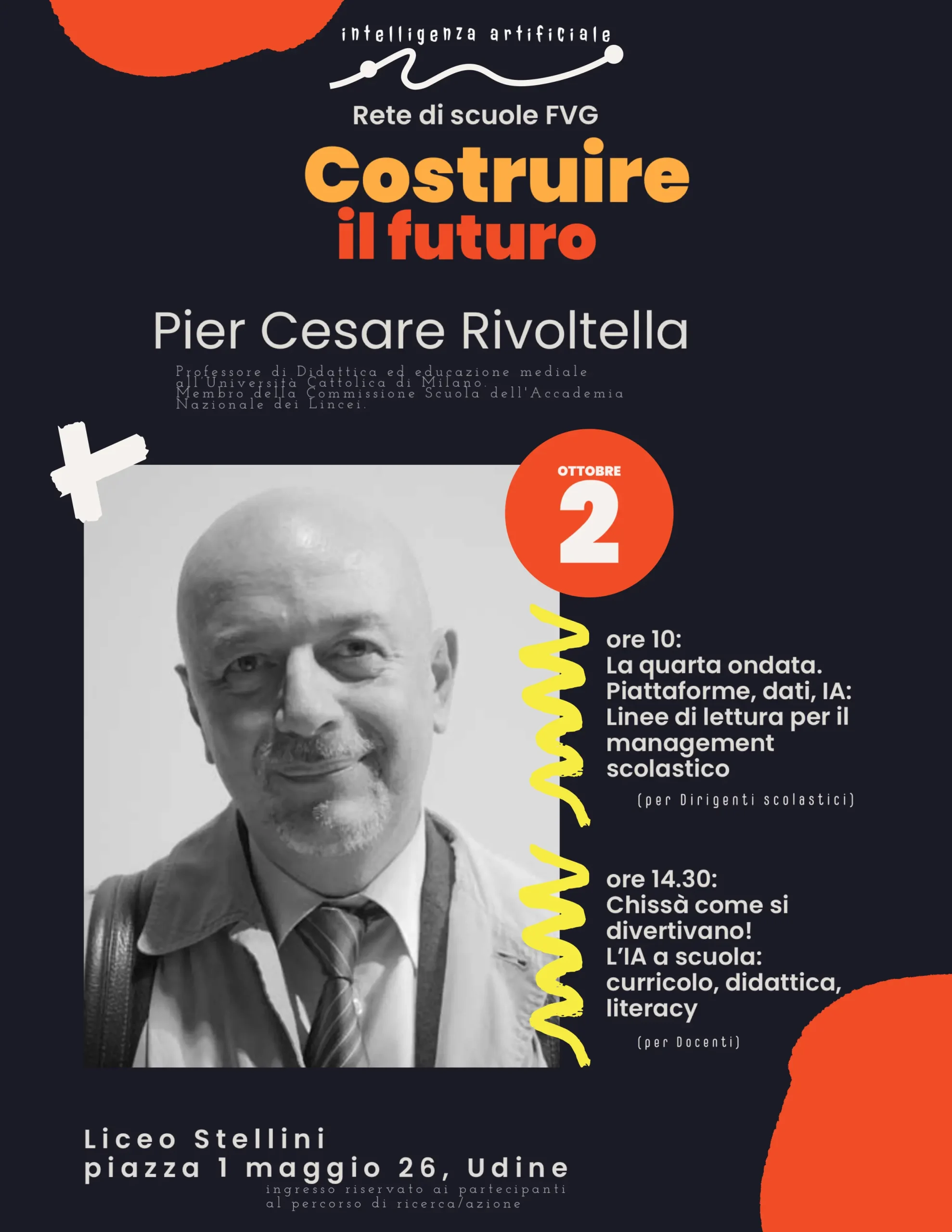
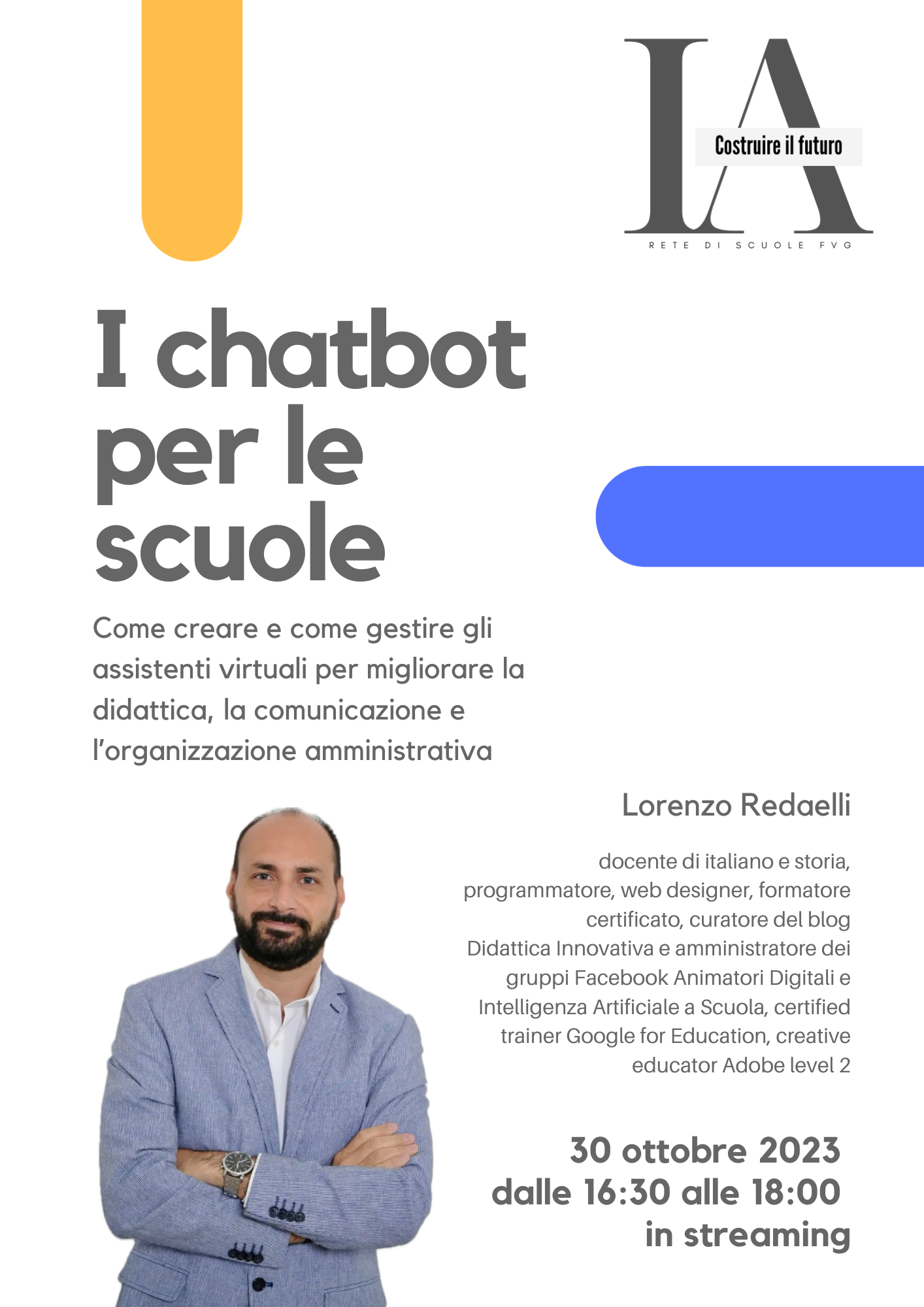
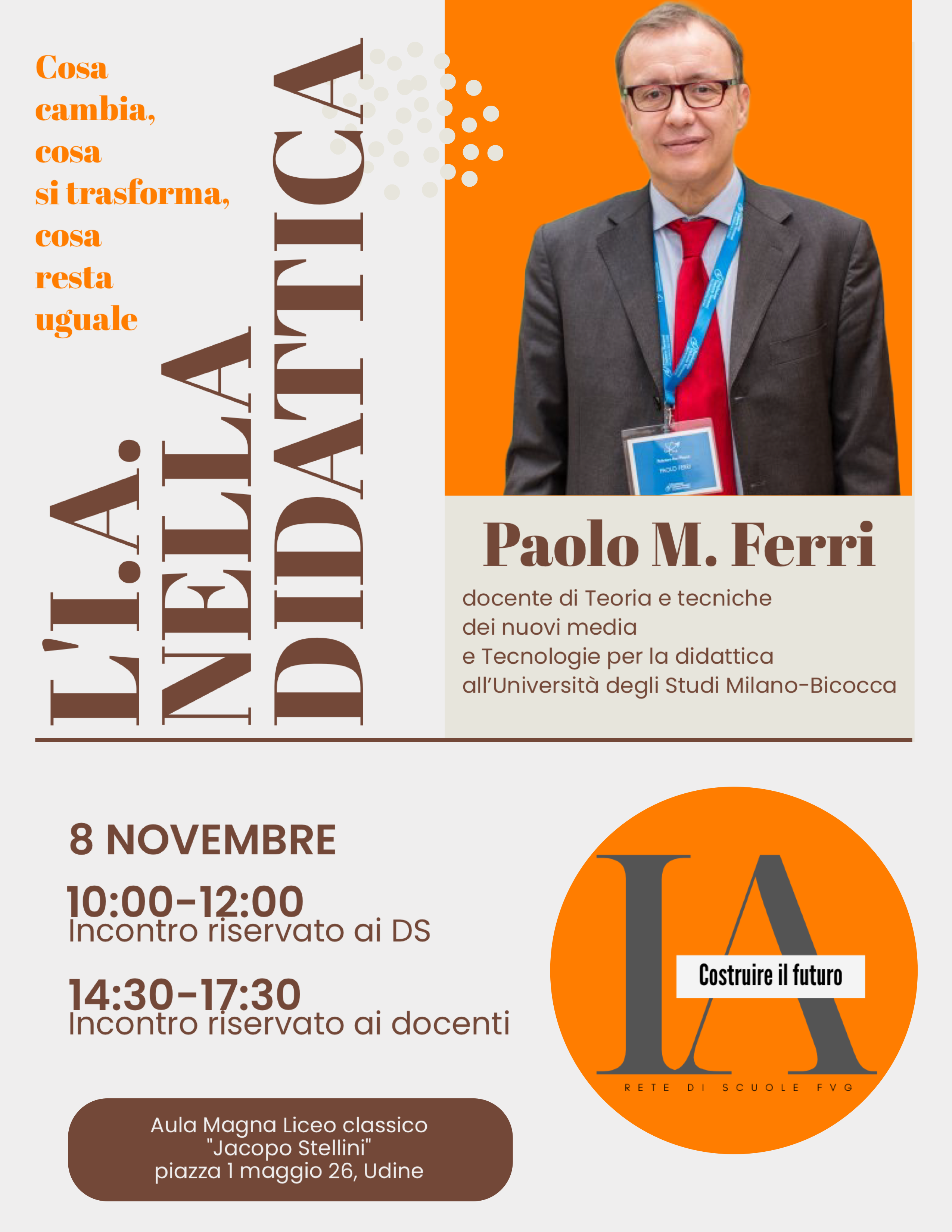
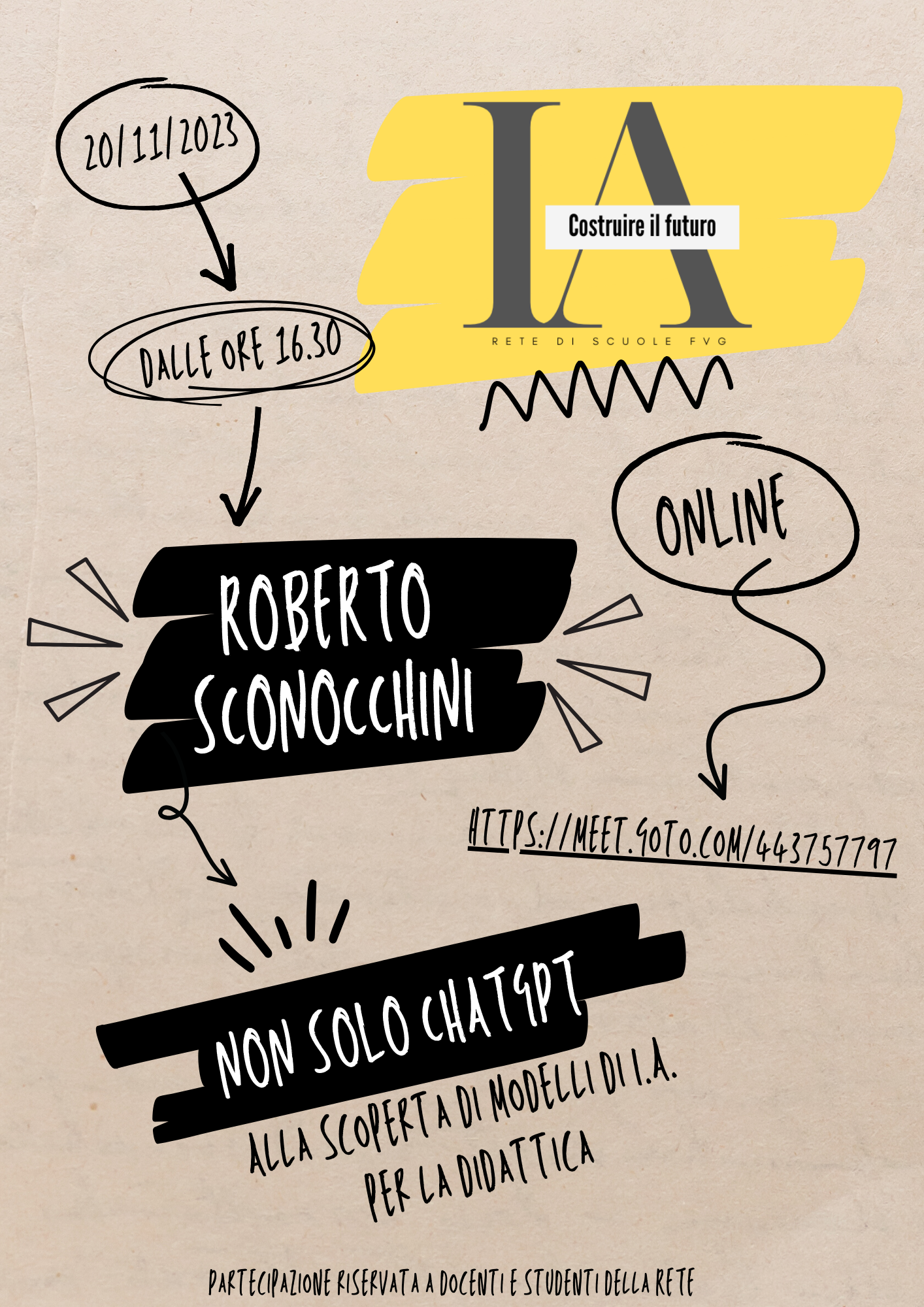
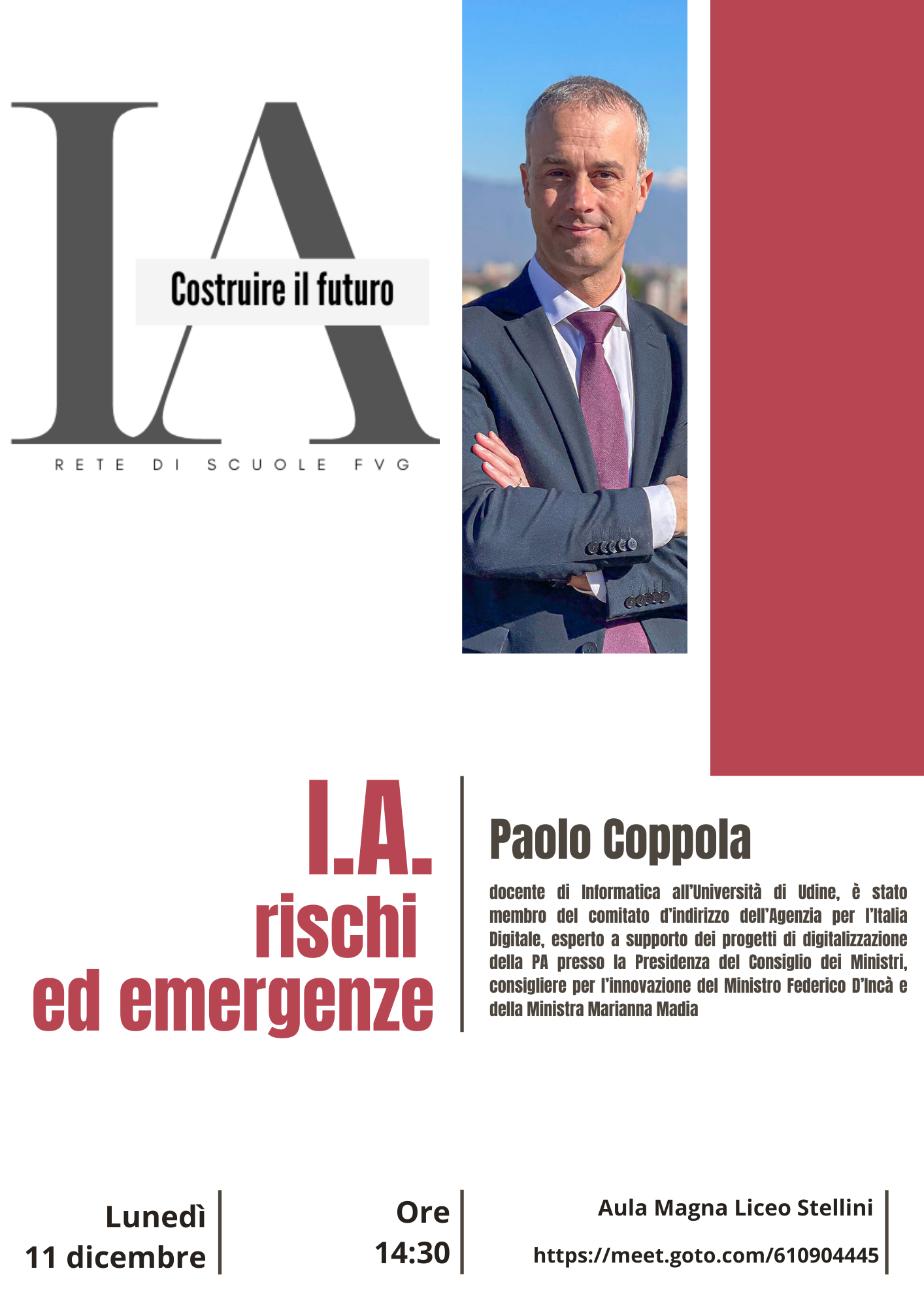
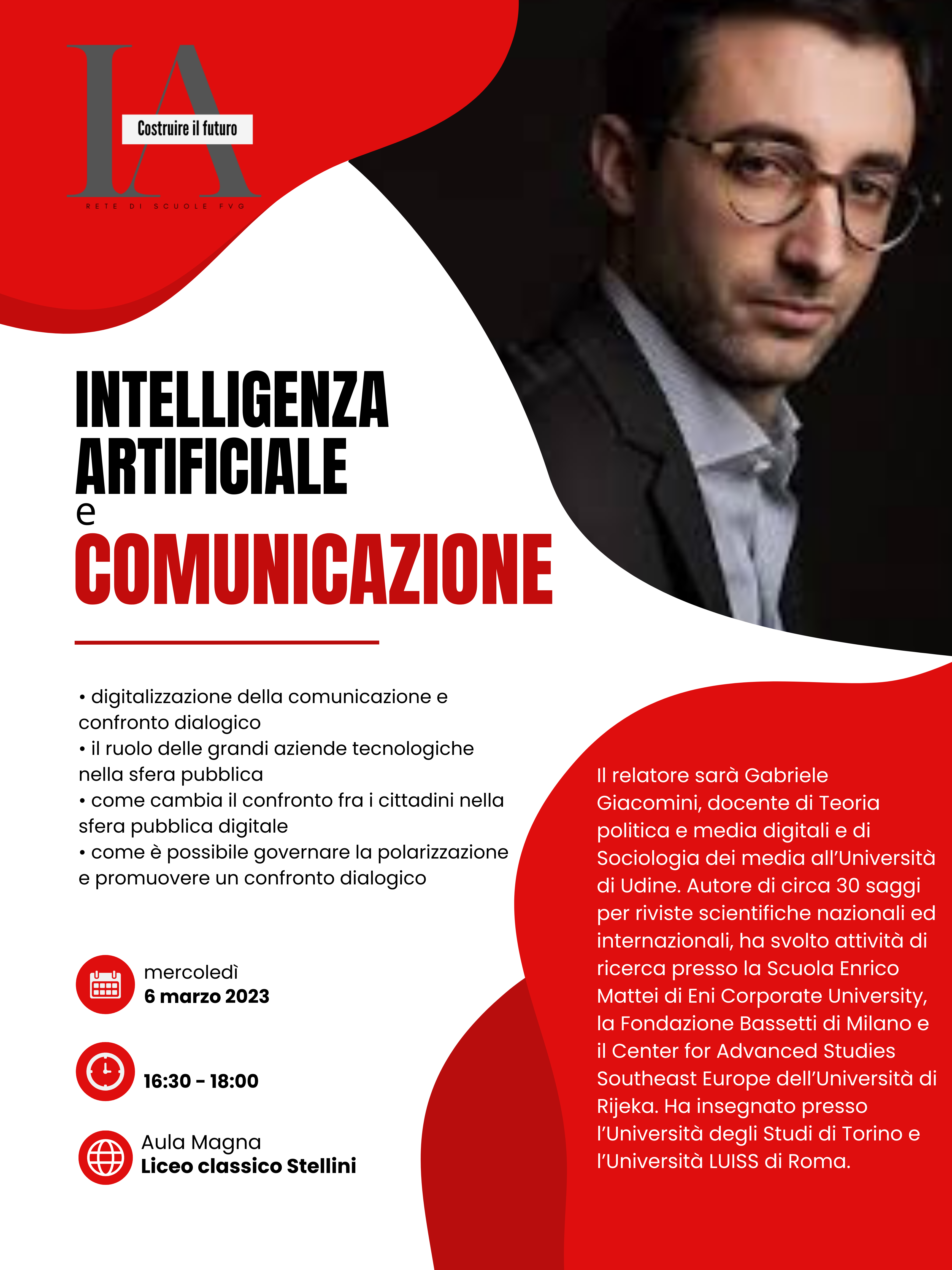
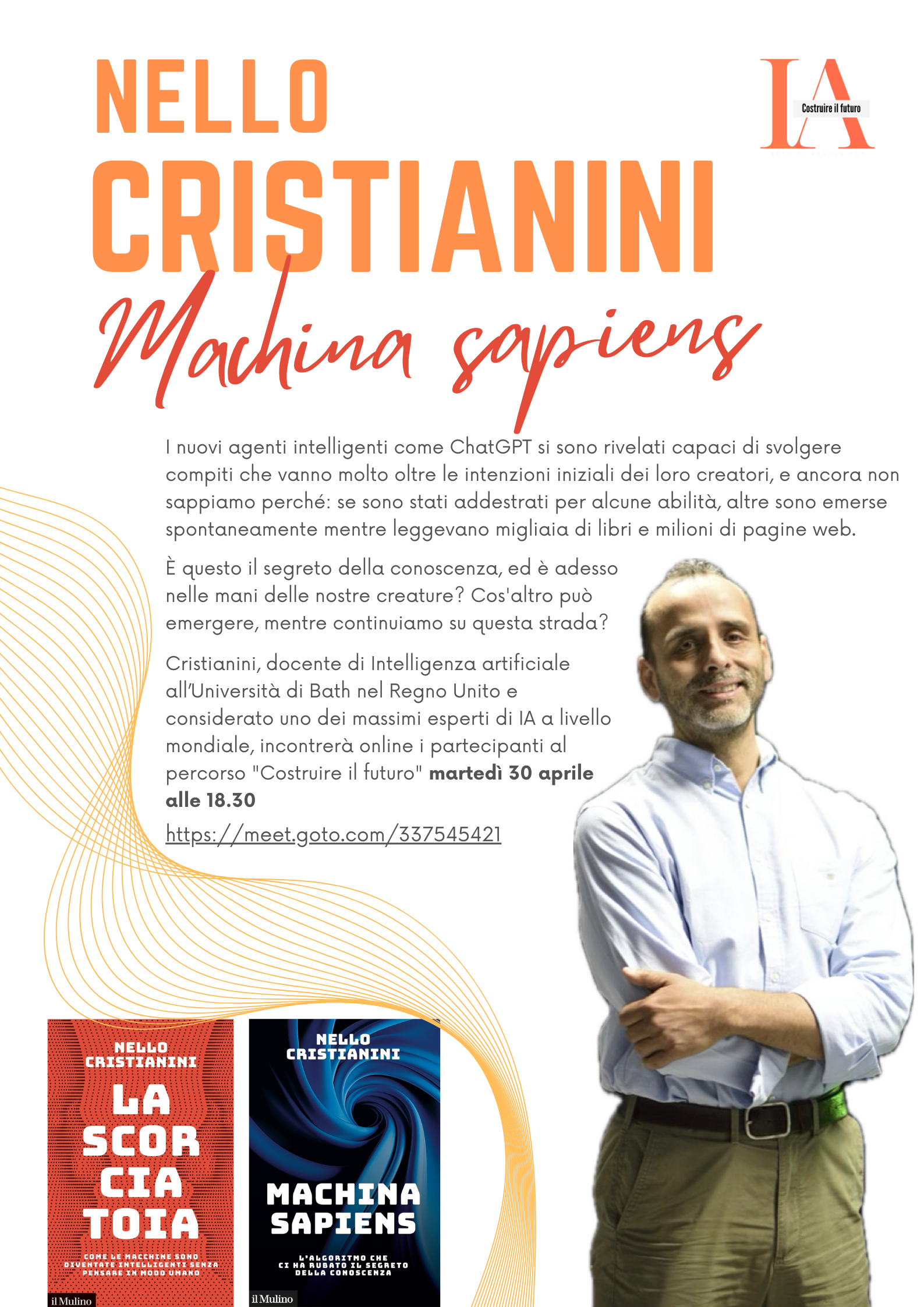
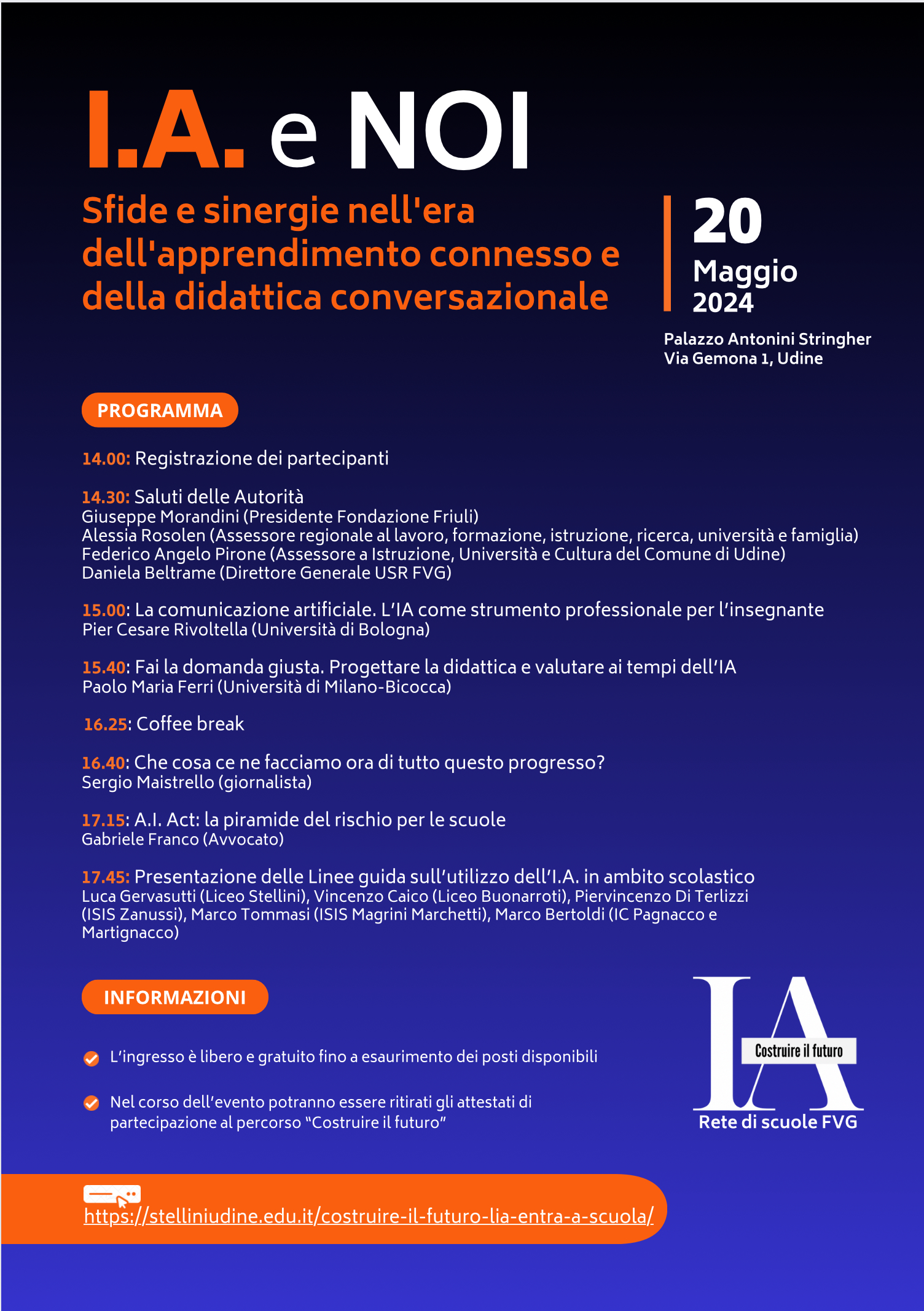
55 Istituzioni scolastiche del Friuli Venezia Giulia, coordinate dal Liceo classico “Jacopo Stellini” di Udine, hanno sottoscritto un accordo di rete con cui si impegnano a collaborare nella formazione del personale e nella creazione di linee guida sull’utilizzo dell’Intelligenza artificiale generativa (d’ora in avanti IAg) a fini didattici, con l’obiettivo di sviluppare una risorsa comune che sia facilmente accessibile e comprensibile per tutte le scuole partecipanti. Il processo di creazione delle linee guida sarà guidato da un comitato di coordinamento, che faciliterà le discussioni e le collaborazioni tra le scuole aderenti. Il risultato finale sarà valutato e validato da un comitato scientifico composto da docenti universitari, dirigenti scolastici e formatori. Il programma prevede incontri periodici, sia virtuali che in presenza, per consentire lo scambio di idee e l’aggiornamento sul progresso delle attività. Le linee guida dovranno affrontare tematiche come l’etica dell’utilizzo dell’IAg, le modalità di integrazione dell’IAG nei programmi di studio, le migliori pratiche per coinvolgere gli studenti nell’uso dell’IAg e le considerazioni sulla privacy e la protezione dei dati. Una volta completate, le linee guida saranno rese disponibili a tutte le scuole aderenti alla rete e a eventuali altre scuole interessate. Saranno utilizzati mezzi digitali e altri strumenti appropriati per la diffusione delle linee guida. Le scuole aderenti si impegnano a promuovere l’utilizzo delle linee guida all’interno delle proprie istituzioni e a incoraggiare la condivisione delle esperienze e delle buone pratiche nell’utilizzo dell’IAg.