
SCADENZA: 29 ottobre 2020 -ore 12.00
VALENTINA RIBOLDI, 28/05/2020
Il futuro di Erasmus+ parte oggi con il primo passo per accedere alle nuove opportunità del programma: l’accreditamento Erasmus!
È stato infatti pubblicato oggi sulla Gazzetta ufficiale dell’Unione europea l’Invito a richiedere l’Accreditamento Erasmus per progetti di mobilità, che anticipa il nuovo Programma Erasmus 2021- 2027
L’accreditamento si rivolge a:
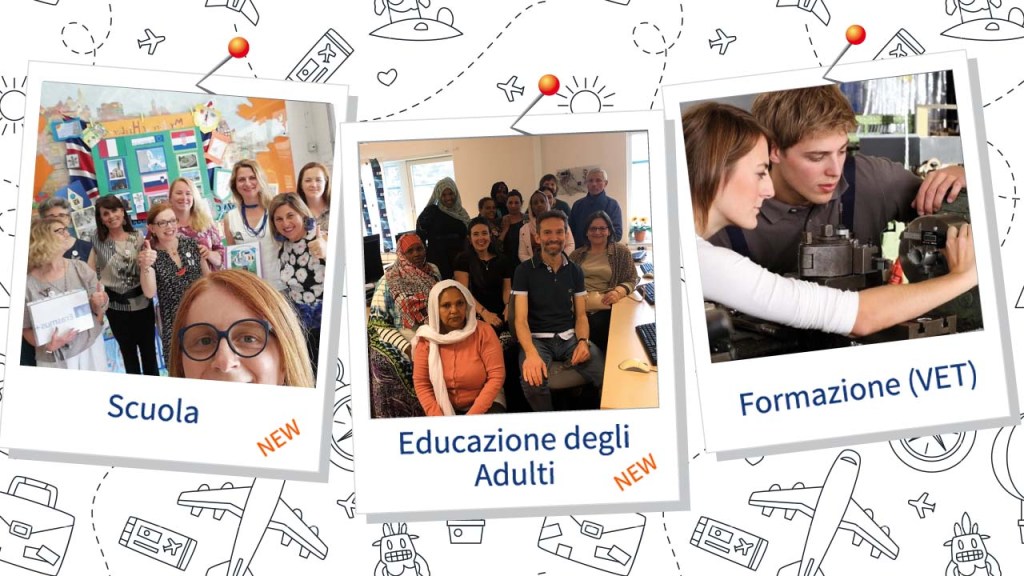
- Istituti scolastici di ogni ordine e grado
- Istituzioni o organizzazioni di educazione degli adulti EDA
- Istituti o organizzazioni di formazione professionale VET
Mentre per i settori Istruzione Superiore e Formazione professionale VET è già di prassi da tempo (carta ECHE e carta della Mobilità VET, per i settori SCUOLA e EDUCAZIONE DEGLI ADULTI rappresenta una novità importante.
Scarica l’INVITO A RICHIEDERE L’ACCREDITAMENTO — EAC/A02/2020 [pdf] Accreditamento Erasmus nei settori dell’istruzione degli adulti, dell’istruzione e formazione professionale e dell’istruzione scolastica
(2020/C 178/04)
Come si legge nel testo del documento, tutte le azioni derivanti dal presente invito a richiedere l’accreditamento sono soggette alle seguenti condizioni, la cui attuazione esula dal controllo della Commissione:
— l’adozione, ad opera del Parlamento europeo e del Consiglio dell’Unione europea, del testo finale della base giuridica che stabilisce il programma;
— l’adozione del programma di lavoro annuale 2021 e dei programmi successivi
— l’adozione del bilancio 2021 e dei bilanci successivi dell’Unione europea ad opera dell’autorità di bilancio.
Di cosa si tratta?
L’ACCREDITAMENTO ERASMUS è paragonabile a una carta per diventare membri effettivi dellefuture attività legate all’Azione Chiave 1 per la mobilità internazionale dello staff, degli alunni in formazione professionale, dei discenti adulti e degli alunni in mobilità di lungo termine per studio.
È sufficiente accreditarsi come istituto una volta, per poi poter fare domanda di finanziamento a supporto delle attività di mobilità per i sette anni del Programma, a partire dal 2021.
Avere l’accreditamento Erasmus conferma l’impegno dell’istituto rispetto al programma Erasmus e garantisce una partecipazione continuativa all’Azione Chiave 1, la principale misura a sostegno della mobilità per l’apprendimento degli individui.
Le organizzazioni che decidono di presentare domanda per l’accreditamento Erasmus devono preparare un Piano Erasmus che definisce la loro strategia a lungo termine. Allo stesso tempo aderiscono agli standard di qualità Erasmus, che definiscono in che misura dovrebbero essere organizzate le attività nel proprio istituto per garantire una buona qualità delle mobilità da organizzare.
Gli standard di qualità Erasmus sono parte integrante dell’accreditamento e coprono una serie di temi quali la gestione, il supporto ai partecipanti, i risultati in termini di apprendimento, la condivisione dei risultati e altri aspetti pratici.
Informazioni generali
L’accreditamento fornisce l’accesso alle opportunità per la mobilità per l’apprendimento per i seguenti ambiti:
- Istruzione scolastica
Comprende educazione alla prima infanzia, la scuola per l’infanzia, la scuola primaria e la scuola secondaria (inferiore e superiore) - Educazione degli Adulti
Comprende educazione degli adulti formale, informale e non formale - Istruzione professionale e formazione VET
Comprende la formazione professionale iniziale e superiore
Le attività dipendono dall’ambito per cui si presenta la domanda. Includono la mobilità degli alunni, dei discenti e dei neo diplomanti in formazioni professionale e tirocinio, la mobilità individuale e di gruppo di alunni delle scuole e la mobilità per lo sviluppo professionale degli insegnanti, dei formatori e di altro staff nei tre settori di riferimento.
È possibile essere accreditati per più di un settore. In questo caso è necessario presentare candidature per l’accreditamento distinte per ogni settore di interesse.
Come candidarsi
La candidatura è gestita dalle Agenzie nazionali.
In Italia quindi, come per il Programma Erasmus+ e precedenti, saranno gestite così:
- I settori SCUOLA e EDUCAZIONE DEGLI ADULTI sono gestiti dall’Agenzia nazionale Erasmus+ INDIRE
L’Agenzia ha già attivato due caselle di posta dedicate per info e helpdesk:
Scuola: accreditamentoscuola@indire.it
Educazione degli Adulti: accreditamentoeda@indire.it - Il settore Istruzione e FORMAZIONE PROFESSIONALE VET è gestito dall’Agenzia nazionale Erasmus+ INAPP
Contatti: erasmusplus@inapp.org
Per il momento tutte le informazioni disponibili sono online sul sul sito Erasmus+ della Commissione europea.
Le REGOLE PER LA CANDIDATURA
Gli STANDARD DI QUALITA’ cui fare riferimento per la stesura del piano Erasmus per ogni settore
I MODULI DI CANDIDATURA WEBFORM saranno attivi dalla prossima settimana
SCADENZA: 29 ottobre 2020 -ore 12.00
Le disposizioni nazionali per ogni settore saranno pubblicate appena disponibili.
Alcune precisazioni
Per quanto riguarda i settori Scuola e Educazione degli Adulti, l’accreditamento è il primo passo per i progetti di mobilità all’interno dell’Azione Chiave 1 ma non sarà l’unico modo di accedere al Programma.
Per la Scuola, ci sembra importante segnalare come anticipazione sul nuovo Programma Erasmus 2021-2027, che la Mobilità di breve e lungo termine sia degli alunni che dello staff sarà Azione Chiave 1 e sarà quindi parte delle attività per cui richiedere l’accreditamento.
Cosa succede con la Carta per la Mobilità VET
Hai già una Carta per la Mobilità VET? Puoi estenderla al programma Erasmus 2021-2027 facendo domanda per l’accreditamento Erasmus. Non è necessario ricominciare da zero poichè esiste una procedura “light” per presentare la proposta.
Di seguito alcune informazioni più dettagliate
Chi può presentare una candidatura di accreditamento
Perché è necessario fare domanda per un accreditamento Erasmus?
Due tipi di accreditamento Erasmus
Come si può ricevere il finanziamento con un accreditamento Erasmus?
È possibile presentare una candidature per accreditamento anche se l’organizzazione di appartenenza non ha alcuna esperienza in Erasmus?
Cosa succede se si rende necessario cambiare il Piano Erasmus nel corso delle attività?Sarà possibile richiedere l’accreditamento il prossimo anno?
 In questo articolo si descrive un’esperienza pratica di utilizzo in classe dello strumento Penzu, un programma che permette di creare diari personali e che in questo caso è stato utilizzato per creare un online portfolio
 Italianistica, Didattica Innovativa, Internazionalizzazione