Critical digital media literacy – A new citizenship skill? – Empowering teachers and students through self-regulated learning (17.03.2025 – 23.04.2025)

Critical digital media literacy – A new citizenship skill? 

Why is addressing online polarisation and disinformation more important than ever and how can we address it? 

Authors:

Juliane von Reppert-Bismarck, Lie Detectors 

FAKE NEWS spelled out in Scrabble letters
https://school-education.ec.europa.eu/en/discover/expert-views/digital-media-literacy-citizenship

Joshua Miranda / Pexels

Children today are digital citizens, often more fluent in new technologies than adults. However, they struggle to evaluate sources and understand online content in context. Many mistakenly view platforms like Instagram as news sources, failing to distinguish between an open platform and a reliable news outlet committed to journalistic ethics. 

Lie Detectors is an independent, journalist-driven media literacy organisation dedicated to combating online polarisation and disinformation. We seek to create a more informed and resilient digital society by providing tools for children and educators and contributing to policy recommendations. 

Empowering teachers and students through self-regulated learning (17.03.2025 – 23.04.2025)

https://school-education.ec.europa.eu/en/learn/courses/empowering-teachers-and-students-through-self-regulated-learning

Discovering self-regulated learning as the evidence-based way to increasing student outcomes and motivation.

Description

What if the secret to improving student learning isn’t about doing more, but doing things differently? 

Students spend more than 10,000 hours in school, yet many struggle with knowing how to learn effectively. Teachers, of course, already support their students in countless ways. But when another international report drops with news of declining student performance, it’s hard not to feel the weight of it. 


But what if there’s a proven solution that’s been hiding in plain sight? 

Enter self-regulated learning (SRL)—a concept that’s backed by over 40 years of research but still underutilized in classrooms. And the best part? Boosting your students’ academic performance and motivation might not require big, time-consuming interventions after all. 

This course builds upon the success of the 2022 course “Teaching Life Competences 1 – Shaping Lifelong Learners through Self-Regulated Learning”.  

In this enhanced and updated version, you’ll get a taste of: 

  • What SRL is 
  • Why it matters 
  • How you can integrate it into your current teaching practices—quickly and effectively 
  • How knowing the SRL basics will set you up with success when tackling other changes in classroom practice, such as AI developments 


Let’s find the quick wins and low-hanging fruit to get you started right away.  Ready to join? 

This course targets teachers who want to equip their students with a decent set of strategies that will help them achieve their goals within (and beyond) school. It’s a perfect fit for teachers who 

  • are prepared to challenge long-held beliefs if necessary  
  • believe students will perform well if they can 
  • are looking forward to exploring the exact skills that keep students from performing well 
  • are willing to make some small adaptations in their teaching practice so they can increase the impact of what they are already doing in no time  
Learning objectives

The main learning objectives of the course are:   

– To introduce participants to the concept of self-regulated learning as an important learning and life skill  

– To provide participants with a thorough understanding of what self-regulated learning is (and what it is not).  

– To help participants reflect about their current knowledge, beliefs and practices concerning self-regulated learning.  

– To equip participants with teaching practices that promote self-regulated learning in the classroom.  

– To help teachers better understand and further improve the effectiveness of their current SRL promotion.   

– To reflect on the challenges of promoting self-regulated learning in the classroom and ways to overcome them.  

-To learn more about the assessment of self-regulated learning and discover related activities.  

– To reflect about participants’ own self-regulated learning and identify strategies to manage their own learning more effectively  

– To develop a teaching practice focussing on the development of self-regulated learning to be assessed by other peers.   

– To discover how SRL knowledge can help increase the effectiveness of other classroom interventions, like the use of AI with students 

Methodology & assessment

The course is offered as an asynchronous course with flexibility in regard to when and where participants follow the course content and join the course activities. Modules open each week and remain open for the duration of the course, with a final deadline in place for the submission of a course product. Participants are required to actively contribute to the course activities by sharing their work and submitting a course product. This product is submitted, and peer assessed by three peers in the final module of the course. 

Certification details

Upon successful completion of the course, a digital course certificate is awarded. The certificate shows the name of the learner and key course details such as the estimated learning hours, the learning objectives, and a link to the course homepage. 

Additional information
  • Language:English
  • Target audience ISCED:
  • Primary education (ISCED 1)
  • Lower secondary education (ISCED 2)
  • Upper secondary education (ISCED 3)
  • Target audience type:
  • TeacherStudent
  • Head Teacher / Principal
  • Teacher
  • Learning time: 15-20 hours

European Alliances Initiative: un report della Commissione Europea sull’impatto e il potenziale dell’iniziativa

A cura di Alessia Ricci

Il Rapporto di studio di recente pubblicazione, si fonda sul monitoraggio condotto dalla Commissione europea nella seconda metà del 2023 e restituisce un quadro dettagliato sui risultati ottenuti.

Emerge chiaramente il forte potenziale di trasformazione dell’ambiziosa iniziativa riguardante le European Alliances, volta a raggiungere uno spazio europeo dell’istruzione superiore di qualità, caratterizzato da una forte coesione tra istruzione, ricerca e innovazione e da una conseguente offerta formativa sempre più vicina agli interessi del mercato del lavoro e della società.

Non secondario l’impatto sociale grazie alla collaborazione di cittadini europei provenienti da tutte le parti del continente per studiare e lavorare insieme in contesti culturali sempre più condivisi e permeati dai valori europei.

Tante le sfide ancora aperte e le raccomandazioni per garantirne il successo a lungo termine ma numerosi i casi di successo dei nuovi modelli di collaborazione internazionale e governance condivisa messi a punto. 

Il Rapporto è disponibile in lingua inglese.
Per approfondire:

News del settore Istruzione superiore

28/02/2025

MyErasmus: la nuova piattaforma di gestione per i beneficiari Erasmus+ INDIRE 

21/02/2025

ErasMag: il magazine scritto dagli studenti Erasmus cerca Reporter. Partecipa alla Call fino al 28 febbraio 

20/02/2025

Webinar sull’attuazione dei progetti Erasmus+ durante la legge marziale in Ucraina – 6 marzo 2025 

12/02/2025

Essere cittadino europeo, è importante? 

Nurturing thoughtful minds through collaboration and eTwinning

https://school-education.ec.europa.eu/en/learn/courses/nurturing-thoughtful-minds-through-collaboration-and-etwinning

In today’s ever-evolving educational landscape, fostering critical thinking is essential for preparing students to navigate complex challenges and make responsible decisions. This course focuses on how collaboration and group work can serve as powerful tools for developing critical thinking skills while nurturing citizenship, aligning with this year’s eTwinning theme.

Description

Our journey begins with a shift in mindset, encouraging educators to adopt a growth mindsetand an innovator’s mindset—key attitudes for creating a classroom culture where critical thinking thrives. Anchored in the 6C’s of 21st Century Learning, this session emphasises Critical Thinking and Citizenship, exploring how these interconnected competencies help students become thoughtful, engaged global citizens. 

Participants will gain practical insights and hands-on experience with tools and strategies for designing collaborative activities that enhance critical thinking. The course will introduce a variety of digital tools, including innovative examples of leveraging Artificial Intelligence (AI) to promote critical thinking in the classroom. Additionally, we will highlight how eTwinning projects provide a dynamic platform for fostering these skills through cross-border collaboration. 

The aim of the course is to equip educators with the mindset, tools, and methods to make critical thinking and citizenship the core of teaching. Together, we will empower students to think critically, act responsibly, and thrive in an interconnected world. 

Learning objectives

By the end of this course, participants will: 

  • Understand the importance of fostering critical thinking through group work and collaboration. 
  • Identify the key elements of the growth mindset and innovator’s mindset in teaching. 
  • Explore and apply the 6C’s of 21st-Century Skills, with a focus on Critical Thinking and Citizenship
  • Design and implement collaborative activities that develop students’ critical thinking skills, also using MLTV routines to make thinking visible and deepen student engagement. 
  • Integrate digital tools, including AI, to enhance collaborative learning experiences. 
  • Plan and create a tailored collaborative activity for their classroom using course concepts. 
  • Leverage eTwinning projects to foster cross-border collaboration and global citizenship. 

Methodology & assessment

The course is offered as an asynchronous course with flexibility in regard to when and where participants follow the course content and join the course activities. However, there is a final deadline in place for the submission of a course product. Participants are required to actively contribute to the course activities by sharing their work and submitting a course product. This product is submitted and assessed by peers or the course instructor in the final module of the course. 

Certification details

Upon successful completion of the course, a digital course certificate is awarded. The certificate shows the name of the learner and key course details such as the estimated learning hours, the learning objectives, and a link to the course homepage. 

Additional information

  • Language:English
  • Target audience ISCED:Primary education (ISCED 1)Lower secondary education (ISCED 2)Upper secondary education (ISCED 3)
  • Target audience type: TeacherStudent TeacherHead Teacher / Principal
  • Learning time: 5-10 hours

Didacta Italia: 13 marzo 2025 ore 15:30 -16:30: il Digital Services Act dal punto di vista delle studentesse e degli studenti; ore 17:00-18:00 gli strumenti dell’e-Policy e del Kit Didattico

Relatori: Marco Cesaro e una rappresentanza dei membri dello Youth Panel 

Relatori: Mauro Cristoforetti e Daniele Catozzella (Safer Internet Centre Italia)

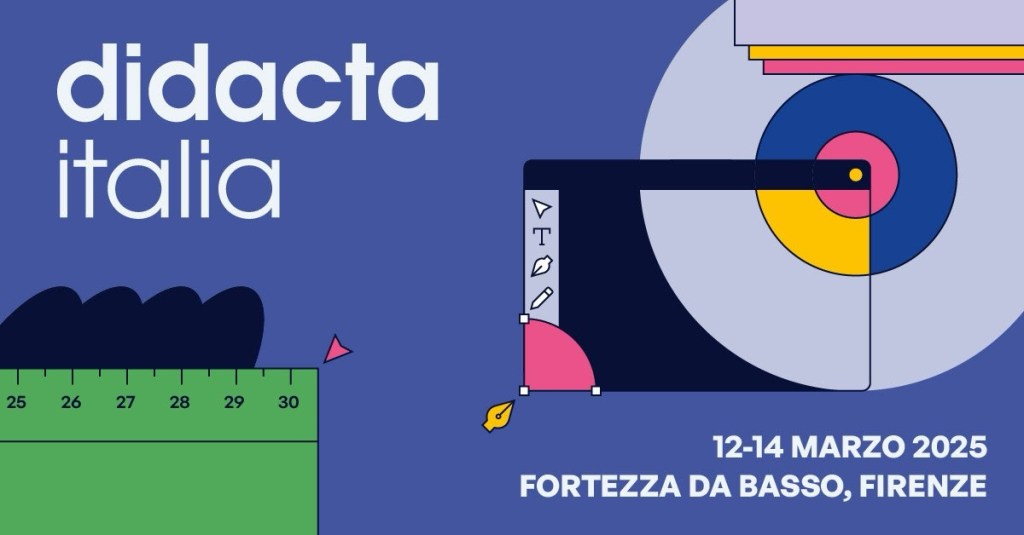
Anche quest’anno Generazioni Connesse sarà presente all’Edizione “Didacta Italia” che si terrà a Firenze dal 12 al 14 marzo 2025.  

13 marzo ore 15:30 -16:30 

Il Digital Services Act dal punto di vista di studentesse e studenti 

Il “Regolamento (UE) 2022/2065 «Regolamento sui servizi digitali» – DSA) ha introdotto nell’ordinamento europeo delle norme volte a garantire un ambiente online sicuro, prevedibile e affidabile, in cui i diritti fondamentali degli utenti dei servizi digitali siano efficacemente tutelati e l’innovazione sia agevolata, contrastando la diffusione di contenuti illegali online e i rischi per la società che la diffusione della disinformazione o di altri contenuti illeciti o nocivi può generare. Il seminario, a cura di una delegazione di studenti appartenenti allo Youth Panel, approfondirà gli aspetti salienti del nuovo regolamento dal punto di vista dei giovani e offrirà utili consigli ai docenti per realizzare un laboratorio con i propri alunni e per navigare in modo sicuro e consapevole.

Relatori: Marco Cesaro e una rappresentanza dei membri dello Youth Panel 

13 marzo ore 17:00-18:00 

Strumenti e pratiche di eSafety all’interno del progetto Generazioni Connesse: l’e-policy e il Kit Didattico

Il seminario presenterà gli strumenti dell’e-Policy e del Kit Didattico. Il primo è il documento programmatico autoprodotto dalla scuola, messo a disposizione nella piattaforma online del progetto Generazioni Connesse, volto a descrivere le norme comportamentali e le procedure per l’utilizzo delle TIC in ambiente scolastico, le misure per la prevenzione e quelle per la rilevazione e gestione delle problematiche connesse ad un uso non consapevole delle tecnologie digitali. Il Kit Didattico è uno strumento rivolto a tutte le Istituzioni scolastiche, statali e paritarie, con lo scopo di inquadrare temi e contenuti che sono alla base dello sviluppo di una piena cittadinanza digitale degli e delle studentesse, attraverso dei solidi percorsi educativi che intendono guidare l’insegnante nella realizzazione di un vero e proprio laboratorio di educazione civica digitale all’interno della propria classe

Relatori: Mauro Cristoforetti e Daniele Catozzella (Safer Internet Centre Italia)

Image

Resta aggiornato

Visita costantemente la sezione news del Portale di Generazioni Connesse.

Più Info