Nell’ambito dei festeggiamenti per i 20 anni di eTwinning (che ricorrono proprio quest’anno CLICCA PER INFO) stiamo cercando storie di testimonial storici della community da raccontare e diffondere: docenti eTwinner di lunga data; dirigenti scolastici che da anni promuovono l’azione eTwinning nel proprio istituto; ex alunni/studenti ITE che nel loro percorso di studi hanno sperimentato una didattica basata sui progetti eTwinning, o ancora ex alunni che hanno incontrato eTwinning tra i banchi di scuola e oggi, da docenti, lo propongono a loro volta ai propri studenti.
Solo per fornirti qualche spunto di riflessione, puoi provare a rispondere ad alcune delle seguenti domande per capire se puoi essere un testimonial che fa al caso nostro:
L’inizio del tuo viaggio con eTwinning: primo progetto, sfide affrontate e come sei cresciuto come insegnante (o come studente) attraverso la piattaforma;
Progetti e successi memorabili: raccontaci esperienze progettuali che hanno avuto un impatto straordinario sugli studenti, nonché di traguardi personali nel tuo percorso eTwinning;
In che modo eTwinning ha arricchito la tua didattica (o il tuo apprendimento) con nuovi metodi, scambi interculturali e collaborazione con altre scuole europee;
In che modo eTwinning ha favorito una connessione più profonda con l’alfabetizzazione digitale e la cittadinanza globale.
L’Unità nazionale selezionerà a sua discrezione le esperienze più interessanti e darà voce ai testimonial scelti invitandoli a partecipare ad un evento celebrativonazionale previsto per il prossimo 9 maggio a Firenze (maggiori dettagli saranno diffusi a breve).
Nota importante: non possiamo prendere in considerazione candidature di minorenni, mentre potremo considerare la candidatura di docenti in quiescenza solo se attualmente in carica come Ambasciatori Erasmus+ per il settore Scuola.
Saranno contattati via email soltanto i testimonial selezionati. Per qualsiasi informazione o chiarimento potete scriverci all’indirizzo selezioni.etwinning@indire.it.
L’intelligenza artificiale (IA) sta trasformando l’istruzione, rimodellando il modo in cui gli studenti apprendono, il lavoro degli insegnanti e come le istituzioni gestiscono le risorse. In tutta l’Unione Europea, l’IA è sempre più integrata nelle aule per compiti quali tutoraggio personalizzato, valutazione automatizzata ed efficienza amministrativa. Tuttavia, l’adozione dell’IA nell’istruzione varia in modo significativo tra paesi, livelli di istruzione e istituzioni. Per colmare queste lacune, la Commissione europea sta identificando pratiche di IA efficaci nell’istruzione per tutti i livelli, e i meccanismi di supporto disponibili a livello nazionale e regionale. In questo contesto, il sondaggio è progettato per raccogliere approfondimenti concreti da coloro che utilizzano o interagiscono attivamente con l’IA nell’istruzione. Le informazioni fornite aiuteranno a:
Identificare le buone pratiche nell’uso dell’IA che migliorano l’insegnamento, l’apprendimento e l’amministrazione
Comprendere le sfide e gli ostacoli all’adozione dell’IA nell’istruzione
Questa attività si svolge nel contesto del Digital Education Action Plan 2021-2027, che propone l’intelligenza artificiale come una delle sue attività (Azione 6). Questo sondaggio si basa sulle Linee guida etiche sull’uso dell’intelligenza artificiale e dei dati nell’insegnamento e nell’apprendimento per gli educatori, pubblicate nell’ottobre 2022 (scarica qui le Linee guida).
A chi si rivolge e cosa indaga il sondaggio?
Il sondaggio mira a raggiungere le parti interessate che potrebbero non essere incluse nei report o nei database esistenti, raccogliere nuove informazioni su implementazioni di IA innovative o su piccola scala e affrontare lacune specifiche identificate durante la ricerca documentale attraverso una diffusione mirata. Si rivolge principalmente a insegnanti, dirigenti del personale amministrativo in istituti di istruzione e formazione in tutti settori educationScuola, Università, Istruzione degli adulti e Formazione professionale, e indaga lo scopo per cui vengono utilizzati o implementati strumenti/pratiche di intelligenza artificiale, l’impatto che hanno, le sfide affrontate e il tipo di supporto finanziario fornito. Il sondaggio è anonimo, tuttavia gli intervistati che lo desiderano possono condividere il loro indirizzo e-mail nel caso siano disponibili a essere ricontattati per interviste mirate.
Le informazioni che fornirai sono preziose: contribuirai a dare forma a politiche sui progressi dell’IA più in linea con le esigenze educative in tutta Europa.
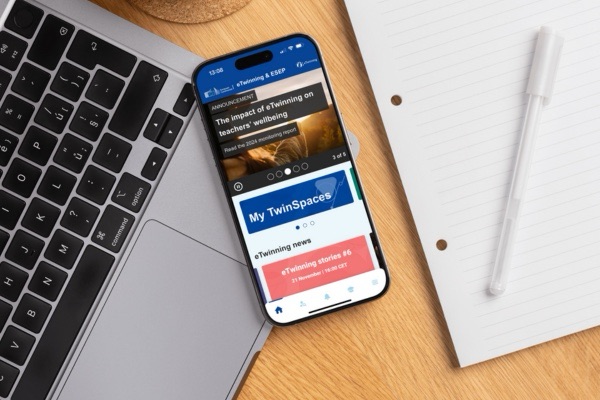
The new eTwinning and European School Education Platform app is now available
The new European School Education Platform app helps you stay up to date with all the latest news, articles, events, courses and webinars. Real-time notifications will also make it easy to stay in touch with the eTwinning community.
Explore the latest content
Browse your Home tab to discover the latest articles and highlighted courses, webinars and events. eTwinners can also access European and NSO news, along with quick links to their TwinSpaces, rooms and groups.
Connect with peers
With the partner search tool, you can easily filter through the listings to find the perfect match for your mobility activities, Erasmus+ teaching assignments, placements or job shadowing opportunities. eTwinners can also browse this section to find project ideas.
In addition, eTwinners have access to the people section – making it easy to find project partners and other eTwinners across Europe.
Don’t miss out on any updates
eTwinners can enable notifications to stay informed about changes to their projects, threads, posts, TwinSpaces or rooms, manage contact requests and access their mailbox to receive, write and reply to emails.
Learn through courses, webinars and events
The app also makes it easy to access our wide range of courses, webinars, conferences and events designed to support your professional development. You can download the app for free from Google Play and the App Store.
Additional information
Education type:Early Childhood Education and Care School Education Vocational Education and Training
The European School Education Platform editorial team is made up of writers with wide-ranging experience in school education, communication and online media. The team works closely with the European Commission to publish editorial content on current issues in European school education and news from the eTwinning community.
Eurydice recently published a report on diversity and inclusion in schools in Europe. You can find the full study here.
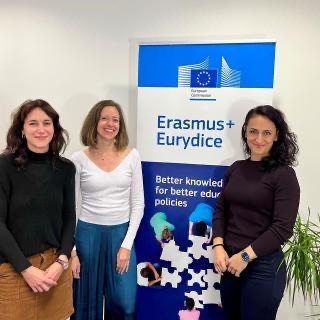
We asked the authors of the report, Sogol Noorani, Diana Antonello and Ania Bourgeois, to answer a few questions on the situation that emerges from their analysis.
Improving access and participation and promoting equal opportunities and support in education are fundamental to ensuring that no student is left behind. What are the main initiatives supporting learners who are most likely to experience disadvantage and/or discrimination across the Eurydice education systems?
Most reported national policies aim to promote access to mainstream education for students with special educational needs or disabilities. For example, as a result of amendments of the law on education in Lithuania, all general education schools will have to ensure as of September 2024 the access of students with special education and provide the necessary assistance and services, teaching tools and adaptations of the educational environment. Another example related to improving accessibility and infrastructure can be found in Poland where, as part of an EU funded project, an ‘accessible school model’ is currently being implemented that will set standards in terms of architectural, technical, educational and social accessibility.
Policies aimed at supporting migrant, refugee, and ethnic minority students are also widespread. These are mainly support measures to help students master the language of schooling. Some countries also promote home-language teaching and interventions to address the students’ social and emotional support needs.
Furthermore, many countries have implemented or strengthened measures that ensure financial support for students from disadvantaged socioeconomic backgrounds to cover various school-related expenses, including school materials, transportation, and meals. This may also involve collaboration with social services.
Which groups receive most attention in the existing policy frameworks and in which areas do we need to invest more focus and dedication?
Students with special educational needs or disabilities are the main target group in all areas investigated in the report – data monitoring, strategic policy frameworks, policies promoting access and participation, national curricula, learning and social-emotional support policies, and teacher education and training. Nevertheless, the data on enrolment rates in mainstream education for learners with officially recognised special educational needs reveals considerable disparities across European countries. Therefore, continued efforts are needed to promote equal access to and inclusion of all students in mainstream settings.
Moreover, additional areas that require further attention relate to tackling gender stereotypes and combating bullying and discrimination of LGBTIQ+ and religious minority students. These target groups and areas of intervention are least frequently covered by national policies and measures presented in our report. Therefore, there is a pressing need for greater emphasis on these critical issues.
Are diversity and inclusion considered in school curricula and are teachers prepared and trained to face these challenges?
All education systems report that diversity and inclusion are considered in their curricula, either as a general principle or aim, through specific subjects such as citizenship education, ethics or history, or through cross-curricular areas such as intercultural education. Moreover, around half of the education systems report reforms within the last five years to further strengthen these dimensions.
Education authorities across Europe widely promote teacher education and training on issues related to diversity and inclusion. However, participation rates in some of these training programmes tend to be low, and teachers report concerns over a lack of preparedness to effectively manage inclusive classrooms.
Another area of concern is related to ensuring the necessary financial resources to employ educational support staff in schools. This dedicated staff can play a crucial role in providing immediate support to students facing any challenges or barriers to their education and development. They can effectively assist schools and teachers in providing inclusive education.
Based on the report’s findings, what should be the focus when addressing discrimination and disadvantages in schools?
The report shows that despite numerous, relevant and recent policy developments aimed at combating discrimination and disadvantages in schools, we still need to advance on creating truly inclusive education systems, structures and policies. Such systems should avoid a reductionist approach with a focus on some groups of learners over others or addressing only certain intervention areas. Promoting diversity and inclusion in education means enabling all learners, regardless of their personal and social characteristics, to learn together while ensuring that they have access to the specific support measures they require.
The Polish Minister of Education has set up a team of climate education experts with representatives of climate organisations, academics, teachers and local authorities to
Seminario tematico internazionale TCA “Empowering Non-Traditional Adult Educators to Unlock the Full Potential of Erasmus+” Athlone, Irlanda, 13-16 maggio 2025 Scadenza candidature: 14 Marzo 2025
L’Agenzia nazionale Erasmus+ Indire seleziona 3 partecipanti residenti in Italia per il seminario TCA “Empowering Non-Traditional Adult Educators to Unlock the Full Potential of Erasmus+!” che si svolgerà a Athlone, Irlanda, dal 13 al 16 maggio 2025, organizzato dall’Agenzia nazionale Erasmus+ irlandese (IE01 – Léargas).
Tematiche e obiettivi dell’evento
Questo seminario transnazionale ha l’obiettivo di coinvolgere i formatori nel settore Educazione degli Adulti (EDA) che operano in contesti di apprendimento non formale o informale e che trovano difficoltoso accedere alle opportunità Erasmus+. Educatori, manager di organizzazioni, formatori e facilitatori svolgono un ruolo cruciale nell’empowerment degli adulti, ma spesso incontrano ostacoli nell’accedere a opportunità internazionali. L’evento è pensato per aiutarli a superare queste barriere, offrendo strumenti pratici per partecipare ai progetti di mobilità Erasmus+, ottenere finanziamenti e ampliare il loro impatto oltre i confini locali e nazionali.
Risultati attesi
Durante il seminario, i partecipanti avranno l’opportunità di comprendere Erasmus+ in modo semplice e chiaro. Saranno supportati nell’orientarsi tra gli obiettivi del Programma, le possibilità di finanziamento e il processo di candidatura, acquisendo maggiore sicurezza nell’affrontare i primi passi. Per coloro che lavorano da soli o fanno parte di una piccola organizzazione, il seminario offrirà spunti su come valorizzare il proprio operato, trasformandolo in un progetto Erasmus+ efficace. Verranno fornite strategie pratiche per adattare le opportunità del Programma al contesto educativo specifico, rendendole realmente utili per gli studenti. Inoltre, sarà un’importante occasione per ampliare la propria rete professionale: i partecipanti potranno entrare in contatto con altri educatori con esperienze simili, condividere idee e costruire nuove collaborazioni per sviluppare progetti futuri insieme.
Informazioni pratiche
Luogo: Athlone, Irlanda – la sede dell’evento verrà comunicata successivamente Data: 13 – 16 Maggio 2025 Numero partecipanti: 50 persone tra partecipanti italiani e stranieri del settore dell’Educazione degli adulti Lingua di lavoro: Inglese (livello B2)
COFINANZIAMENTO
SOGGIORNO: Saranno a carico dell’Agenzia Nazionale irlandese, organizzatrice della TCA, le spese relative all’organizzazione del seminario e al soggiorno dei partecipanti per i giorni di svolgimento dell’attività (ovvero, le notti del 13-14-15/05/2025 e i pasti compresi dal pranzo del 13/05/2025 al pranzo del 15/05/2025).
VIAGGIO: L’Agenzia Nazionale Erasmus+ INDIRE assegna un cofinanziamento, pari al 95% delle spese effettuate per il viaggio che verrà erogato a seguito della presentazione di un rapporto finale da parte del beneficiario.
SPESE AGGIUNTIVE: Per le eventuali spese di soggiorno per i giorni di permanenza aggiuntivi sono ammissibili eventuali spese richieste opportunamente motivate relative ad un giorno di viaggio immediatamente prima della data di inizio delle attività (12/05/2025) e un altro immediatamente successivo al giorno di conclusione del seminario (17/05/2025).